


 Request an offer











 Weinerpark 16 | 48607 Ochtrup | Germany









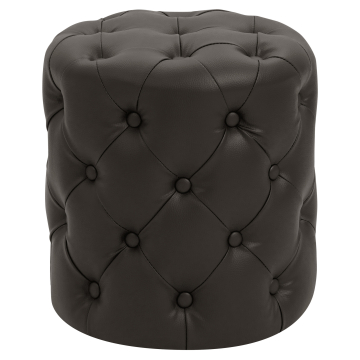
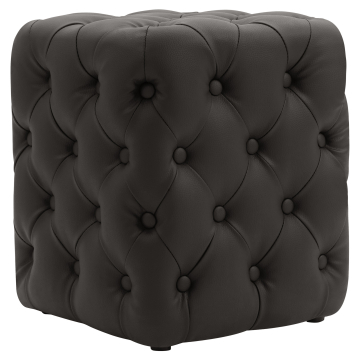
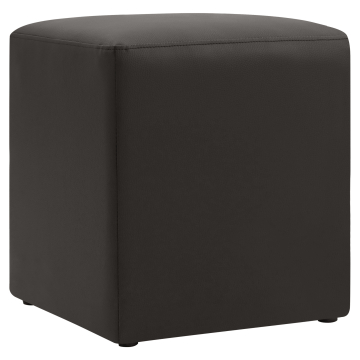


Brown Stools
Brown stools complement restaurants, cafés, bars and lounges with flexible seating and a warm, professional atmosphere. They are suitable for compact areas, waiting zones and informal seating groups, provided that material, shape and maintenance are suited to daily operations.
 Filter
 Grid view
 Product view
 In line
 Masonry View
Brown stools as a flexible addition in the dining area
Brown stools are compact seating furniture in brown and natural tones, used in hospitality businesses as additional seating, lounge seats or as a flexible supplement to fixed seating. They differ from classic chairs by their open form, small footprint and versatile use in areas where mobility is more important than a fixed seating arrangement.
In restaurants, cafés and bars, brown stools are particularly harmonious where the space should not appear overloaded: in window areas, next to low tables, in waiting zones or in informal niches. Brown combines well with wood, wenge, black, cream, taupe and metal. This makes brown stools suitable for rustic concepts as well as for urban, oriental or lounge-style interiors.
The specific design is important. A square stool cube appears calm and clear, a round stool makes walkways seem softer, and an elongated bench stool creates several seats in a limited space. For operators, it is not only the colour that matters, but also how shape, edge, height, upholstery and footprint function in the room.
Planning brown stools correctly: zones, walkways and sense of space
Stools can improve workflows when used in a targeted manner. Near the counter, they serve as a short waiting place or as an addition for guests who only order a drink. In a niche, they can create extra seats without visually crowding the area with backrests. In small dining areas, compact stools help to respond flexibly to groups.
Nevertheless, each stool needs sufficient space. Guests must be able to stand up comfortably, staff need clear walkways and table edges must not become collision zones. Especially with square stools, orientation is important: if they are too close to table legs or wall projections, the space quickly feels tighter than planned.
A good plan also takes into account usage throughout the day. At lunchtime, brown stools can support short stays, for example in cafés or bistros. In the evening, upholstered versions create a calmer seating situation in lounge areas. Those already working with Gastro Stühlen can use stools as a deliberately informal addition, rather than replacing the main seating.
Material, surface and care in daily use
With brown stools, the material determines the effect and suitability for everyday use. Faux leather or leather look can be wiped clean quickly and are suitable for areas with drinks, sauces or high frequency. Fabric appears softer, but requires a quality appropriate to its use and clear care processes. Wood or wood look adds a natural touch, but should be resistant at edges and contact surfaces.
In operation, stress does not only occur on the seat surface. Critical areas are corners, seams, bases, undersides and areas that are frequently touched during cleaning or rearranging. Moisture at edges, cleaning agents, contact with shoes and knocks against table frames quickly reveal whether a stool is suitable for everyday use.
Quick check for selection
- Does the seat height match the existing tables?
- Is the surface suitable for frequent wiping?
- Are passageways kept clear, even when guests move the stool?
- Are edges, seams and frame solidly constructed?
- Can the colour be reordered or combined with existing furniture?
- For models with frame, base or screw connections, attention should be paid to stable connection points and a load-bearing construction. Especially in high-traffic areas, a secure stand is more important than a purely decorative form.
Economic benefit without overplanning
Brown stools are not a substitute for a well-thought-out room concept, but can be an economically sensible component. Well-maintained, stable and colour-coordinated furniture supports the impression of a professionally run business. Guests quickly notice seating comfort, cleanliness and harmonious materials, even if they do not consciously evaluate them.
This can influence behaviour: a pleasant place is more inviting to stay, clear pathways reduce restlessness, a well-kept cover strengthens the overall impression. For operators, the benefit arises above all from flexible use of space, easy cleaning and furnishings that fit the concept. The key is not to place as many stools as possible, but to use them where they usefully complement the stay and workflow.
Especially in combination with gastro tables, it should be checked whether legroom, table height and seat surface fit together. Stools that are too low feel uncomfortable, stools that are too high do not fit lounge tables. The best effect is achieved when proportions, material and usage situation are planned together.
Harmoniously combining brown stools
For a uniform overall appearance, brown stools should not be selected in isolation. Match shade, cover and shape with existing gastro benches or gastro bar stools. Dark brown upholstery appears calm and robust in combination with black frames, lighter brown tones go well with wood, beige and warm light.
In larger businesses, it may make sense to deliberately zone different stool shapes: round stools for open areas, cube stools for defined table groups, elongated bench stools for waiting zones or lounge edges. This avoids a random mix of furniture and instead creates an interior that supports workflows, sense of space and brand image.
Brown stools are particularly suitable for operators looking for flexible additional seating with a professional effect. Those who realistically assess material, seat height, shape and care create a solution that looks good in the dining area and remains resilient in everyday use.



















