


 Request an offer











 Weinerpark 16 | 48607 Ochtrup | Germany









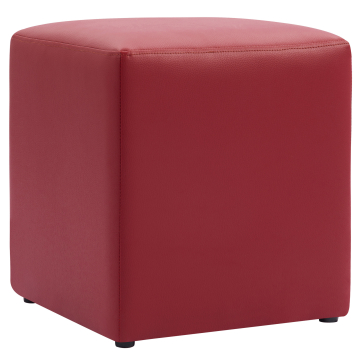
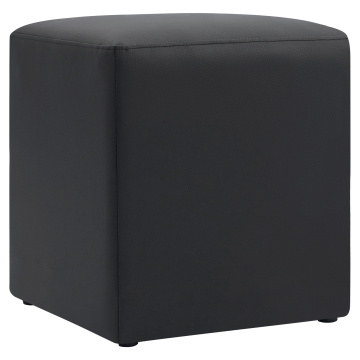

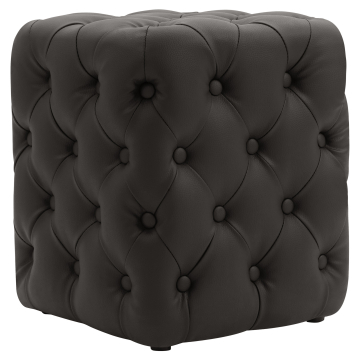
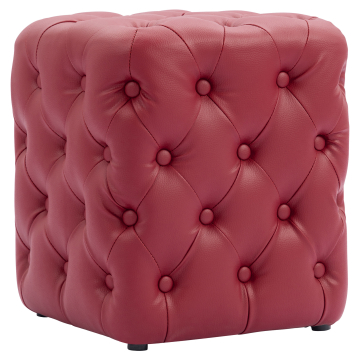

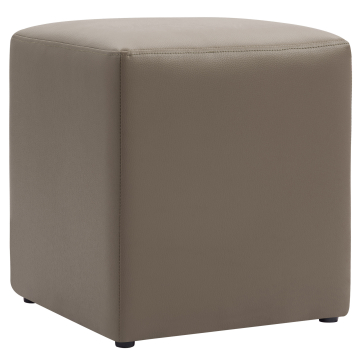
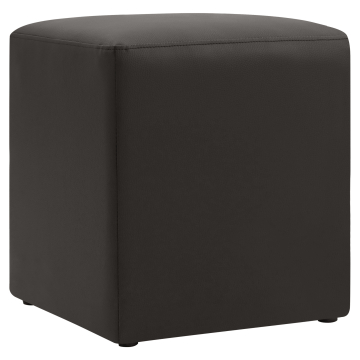


Square Stools
Square stools are compact seating solutions for restaurants, cafés, bars, lounges and waiting areas. They are particularly suitable when additional seats need to be integrated in a space-saving, easy-care manner and in keeping with the existing room concept.
 Filter
 Grid view
 Product view
 In line
 Masonry View
Square stools as a clear solution for compact seating areas
Square stools are angular stools or seating cubes for commercial use in gastronomy, the hotel industry and café areas. Their cubic shape makes them particularly suitable for small table groups, niches, window areas and waiting zones where flexible additional seating is needed.
The square shape brings calm to the room layout: edges align neatly with table lines, wall zones or benches, without creating restless gaps. In a café, square table stools can create additional short-term seating by the window. In a bar or lounge, they can be used next to low tables without appearing makeshift. Especially where chairs with backrests would take up too much space, the seating area remains compact and clear.
Correctly assessing space, walkways and seating comfort
With square gastro stools, it is not only the appearance that matters, but above all the footprint. A seating cube with a clear edge uses the available space efficiently, but can block walkways if it is too close to table legs, passages to the kitchen or service stations. Therefore, operators should check before purchasing whether guests can sit comfortably and whether service staff can still pass through with trays.
The seat height is also important. Stools should match the height of the existing tables so that legroom, seating posture and distance to the tabletop are correct. For short stays, such as in snack bars, bistros or cafés, a compact stool without a backrest can be sensible. For longer stays, it should be carefully considered whether the stool remains only an additional seat or becomes part of a more comfortable seating mix.
A quick check helps with selection:
- Does the square base fit under or next to the table?
- Are passageways and service routes kept clear?
- Is the seat height compatible with the existing tables?
- Can the stool be easily moved without damaging the floor?
- Does the edge shape harmonise with benches, chairs and table frames?
Material and care in daily gastronomy use
Square stools are frequently moved, touched, cleaned and subjected to loads in everyday use. Therefore, material and surface should suit the business. Faux leather is practical for many gastronomy areas because it is smooth, wipeable and resistant to typical stains from drinks, sauces or grease. Wood has a warmer appearance, but requires a robust surface, especially on edges and impact zones. Metal or stainless steel elements look functional and stable, but should match the rest of the furnishings.
For upholstered stools, it is worth taking a close look at seams, corners and undersides. Square shapes have visible edges; it is precisely here that abrasion, moisture marks or small impact damages often occur in use. For high frequency, covers with few seams, stable bases and clean screw connections are important. If stools are placed on sensitive floors, suitable glides or floor protectors should be planned. For models with a base frame, it is also relevant whether the fitting is cleanly finished and whether the load-bearing capacity matches the intended use.
How Square Stools Support Operational Processes
A harmonious interior influences how guests perceive a space and how smoothly operations run. Well-maintained, stable and neatly placed table stools convey order and value. This can help guests orient themselves more quickly, sit more comfortably and perceive the area as deliberately planned.
From an operational perspective, square stools are particularly interesting when seating needs to be used flexibly. At lunchtime, they can provide additional seating for short stays. In the evening, they can be integrated into lounge or waiting areas, for example for guests waiting for a table or having a drink. The key remains: more seats are only useful if movement areas, table spacing and service processes are not compromised.
Combine Harmoniously Without Overloading the Space
Square hospitality stools have the greatest impact when they are not selected in isolation. They should match the table shape, colour scheme, upholstery material and existing seating furniture. Alongside hospitality tables with clean lines, calm groups are created. In combination with hospitality stools of the same shape or colour world, the overall look remains consistent. In addition to hospitality chairs, square stools can serve as flexible extra seats without replacing the basic seating arrangement.
Demarcation is also important: for counters and high bars, hospitality bar stools are usually the more suitable choice. Square table stools are more suited to normal table heights, lounge zones, waiting areas or compact seating groups. Those who draw this distinction clearly avoid bad purchases and create an interior concept that works in everyday life.
Conclusion: Plan Square Stools Deliberately as Part of the Seating Mix
Square stools are not a stopgap, but a deliberately usable piece of furniture for compact spaces, clear room edges and flexible extra seats. Operators should especially check shape dimensions, seat height, material, cleanability and walkways. This creates a seating solution that fits the concept, does not disrupt operations and complements the guest area in a structured way.



















