


 Request an offer











 Weinerpark 16 | 48607 Ochtrup | Germany









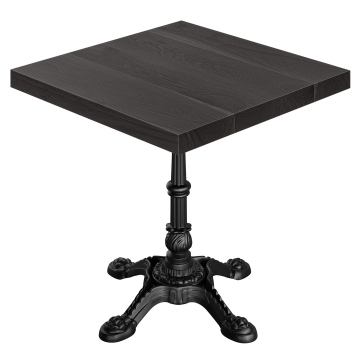
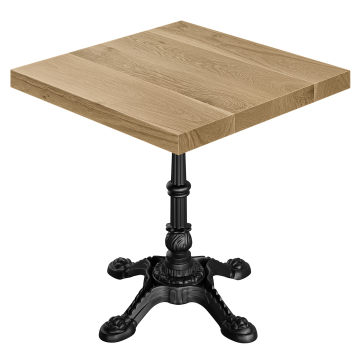
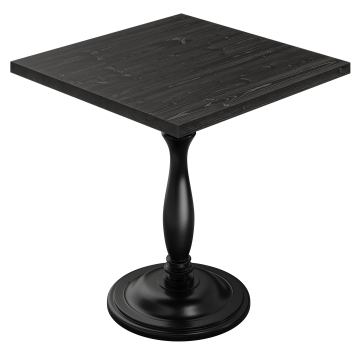
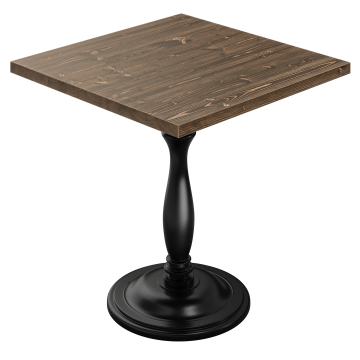
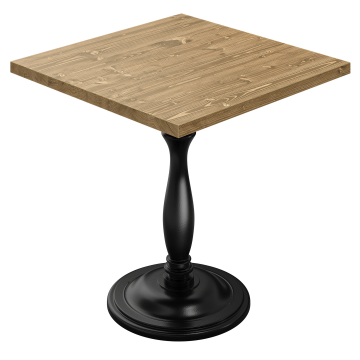


French Bistro Tables
French bistro tables combine compact table dimensions with the characteristic flair of classic cafés and brasseries. They are suitable for restaurants, bistros, and cafés where space utilisation, everyday practicality, and a clear bistro style are to be brought together.
 Filter
 Grid view
 Product view
 In line
 Masonry View
French Bistro Tables: Character and Use
French bistro tables are compact hospitality tables whose design is inspired by classic cafés and brasseries in France. Typical features include round or square tops, slim central or cast bases, as well as wood, marble or metal looks that support a light, urban bistro character.
In cafés, bistros and restaurants, these tables work particularly well in window areas, small niches or along clearly defined wall zones. Round versions with a diameter of around 60 to 80 cm create a communicative atmosphere and avoid sharp corners in walkways. Square formats such as 60 x 60, 70 x 70 or 80 x 80 cm, on the other hand, can be arranged in straight lines and more easily combined into larger groups if required. The French style is created less by a single detail than by the interplay of top, edge and base. The overall look is complemented by chairs in a matching bistro style.
Proportions, Pathways and Flexible Table Planning
With French bistro tables, the compact footprint is an advantage if it suits the actual use. For coffee, breakfast or small dishes, a small two-seater table can be sensible; extensive menus, several plates or shared serving require more surface area. Therefore, what matters is not just the number of seats, but whether plates, glasses, cutlery and service can still fit without crowding.
Ensure there is sufficient space between the table edge, chair back and main walkway. A table with a slim central column can make legroom easier, while wide base plates or multi-legged frames must be considered when moving chairs. Especially in areas near the kitchen, counter or entrance, staff should be able to pass with trays without guests constantly having to pull in their chairs. Square tables support flexible 2- and 4-seater configurations; round tables are more suitable as independent conversation islands.
Material, Surface and Everyday Suitability
In daily hospitality operations, what counts is how well a surface withstands frequent wiping, stains, moisture and stressed edges. The range includes, among others, HPL and melamine surfaces, wood and oak variants, as well as marble looks in light and dark finishes. Black or stainless steel edges can further accentuate the typical bistro look and at the same time protect the edge area from many everyday contacts.
For outdoor areas, only variants specifically intended for this purpose should be chosen, such as suitable HPL-Compact, outdoor HPL or other weatherproof gastro table tops. When assembling tops and table bases, the approved top size must match the base. For example, the PARIS bistro base is available in 72 cm high versions with three or four legs; depending on the model, the permissible top size is limited. Assembly and screwing must therefore always be carried out to suit the specific combination.
Decision Criteria for the French Bistro Look
Four criteria are particularly relevant: Firstly, the shape – round for a softer spatial effect, square for straight rows and flexible groups. Secondly, the proportion – compact dimensions save space, but must not fall short of actual service needs. Thirdly, the surface – wood or oak look appears warmer, marble look more classic, dark decors more striking. Fourthly, the base – cast or central bases define the French appearance and also influence the footprint and legroom.
Quick Check
- Adjust table size to dishes, crockery and typical group size
- Select round or square shape according to room edge and walkway
- Check edges and surface for frequent cleaning and impact resistance
- Match base fitting and maximum permissible top size
- For terraces, use only expressly suitable outdoor components
Overall Impression and Economic Impact
French bistro tables appear particularly harmonious when the tabletop, frame, and seating furniture share a common material and design language. Classic wood or rattan looks, slender bistro chairs, or deliberately contrasting metal frames can complement the concept; for outdoor areas, it is also worth considering suitable terrace furniture to ensure that the interior and exterior effects match.
A well-maintained, stable, and cohesive interior can influence how guests perceive quality, comfort, and atmosphere. If they feel comfortable at the table and the surface remains tidy even during busy periods, this can encourage longer stays, repeat orders, and return visits. For the business, therefore, not only style matters, but also whether the tables support cleaning, service, and daily rearrangements without unnecessary effort.
French bistro tables are particularly suitable where compact dimensions are to be combined with a clear café or brasserie feel. The right combination of shape, surface, frame, and area of use determines whether the table impresses in everyday use as much as it does in the overall design concept.



















