


 Request an offer











 Weinerpark 16 | 48607 Ochtrup | Germany









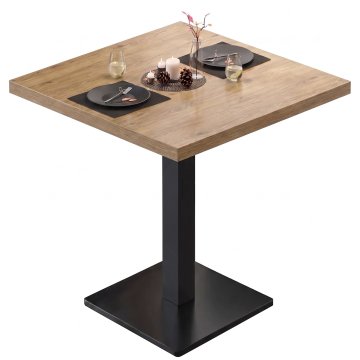
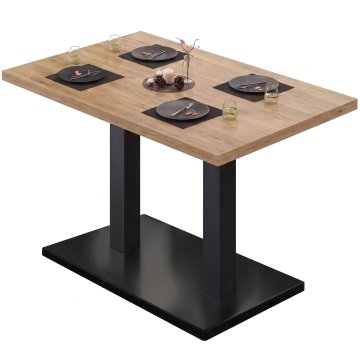
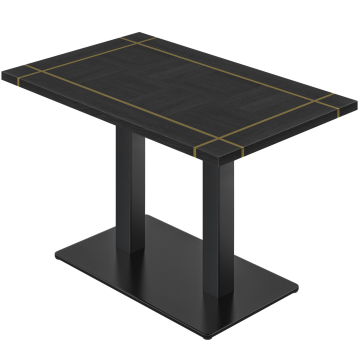


Restaurant Tables
Restaurant tables for the hospitality industry must withstand daily use and at the same time suit the room concept, menu and desired guest stay. Different shapes, materials and sizes enable targeted planning for restaurants, cafés, bistros and other dining areas.
 Filter
 Grid view
 Product view
 In line
 Masonry View
Restaurant tables as the foundation of the dining area
Restaurant tables are tables designed for commercial use in restaurants, cafés, bistros and comparable hospitality areas. They must suit the menu, the desired length of stay and the daily demands of the business, while being stable, easy to maintain and sensibly plannable within the space.
In the dining area, tables define sightlines, spacing and the division into different zones. Compact square or round tables are particularly suitable for two-person areas, such as by the window or along a wall. Rectangular tables can be specifically used for groups of four or larger parties. A mix of smaller and larger formats creates flexibility when demand shifts between lunch, evening business and group reservations.
Planning shapes, sizes and placement in the restaurant
With restaurant tables, it is not only the number of seats that matters. Table surface, legroom, chair backs and service routes must all work together. Tables placed too closely together make serving and clearing difficult; overly generous spacing, on the other hand, can leave valuable space unused. Especially in walkways to the kitchen, in front of service stations or in heavily frequented passageways, there should be sufficient room for movement.
For flexible concepts, 2-person tables are practical, as they can be combined into 4-person or group tables as needed. Round tables encourage even communication in small groups, while square and rectangular shapes are easier to plan along walls or in table rows. The table height must also match the chosen chairs so that seating position and legroom remain comfortable even during longer stays.
Material, surface and construction for everyday hospitality use
Restaurant tables are wiped daily, moved around and exposed to crockery, drinks, heat, moisture and stains. Therefore, the surface should suit the business profile. HPL-coated or melamine-coated variants are designed for easy-care use, solid wood brings a warm, natural effect to the dining area, but requires surface care appropriate to its use. For outdoor areas, solutions such as HPL Compact or Werzalit are suitable.
Edges and substructure also deserve attention, as they are particularly stressed when moving, cleaning and in contact with chairs. For individually assembled tables, table tops and table bases must match each other in terms of size, fitting and attachment. A stable base and, if necessary, floor levelling are important so that the table does not wobble even on slightly uneven floors.
Selecting restaurant tables to suit your business
Four criteria help with selection. Shape and proportion determine how well tables fit into niches, window zones or rows. Table size and use should match the menu: coffee and cake require less space than meals with side dishes, drinks and shared dishes. Material and maintenance requirements determine how quickly surfaces can be cleaned during ongoing operations. Substructure and flexibility influence legroom, stability and the ability to rearrange tables for groups or events.
For restaurants with fast lunchtime turnover, easily accessible, quickly reset tables are especially important. In the evening, more generous table arrangements, quieter zones and the combination with benches can support longer stays.
Quick check for restaurant tables
- Adapt table shape to room zones, wall layouts and typical group sizes
- Plan sufficient space for the actual food and drink concept
- Check stable construction and wobble-free standing on the existing floor
- Match surfaces and edges to frequent cleaning and typical soiling
- Consider suitability for indoor and outdoor use as well as possible rearrangements during daily business
Spatial effect, guest behaviour and economic benefit
Restaurant tables, together with seating furniture, lighting and acoustics, influence the perception of the dining area. Wood and wood-look finishes can convey warmth and calm, while clear metal frames and minimalist shapes tend to support more modern, straightforward concepts. What is crucial is a harmonious overall appearance that matches the gastronomic offering and the expected price level.
A well-maintained, stable and comfortably planned interior can help guests feel more at ease, stay longer or be more likely to order again. This can have a positive effect on average spend, repeat visits and revenue per seat hour, but always depends on the overall concept, service, offering and actual demand. At the same time, easy-care surfaces, efficient routes and flexibly combinable tables can reduce the daily effort required for cleaning, rearrangement and service.
Restaurant tables should therefore not be selected in isolation. It is essential that dimensions, usage, material and base match the space and operational workflow. This creates a table plan that supports the design of the dining area and functions reliably in everyday use.



















