


 Request an offer











 Weinerpark 16 | 48607 Ochtrup | Germany









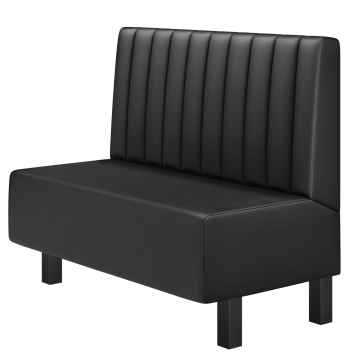
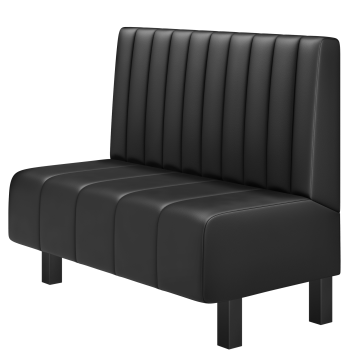
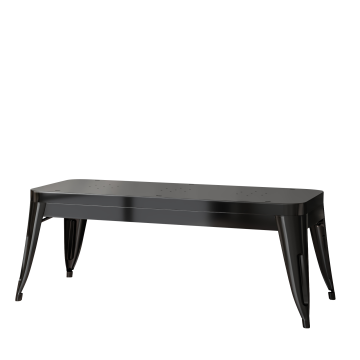
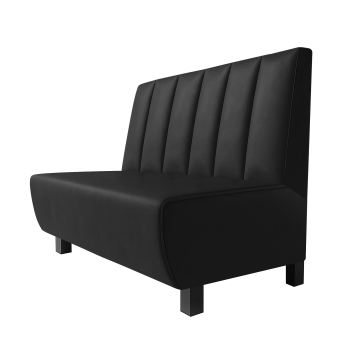
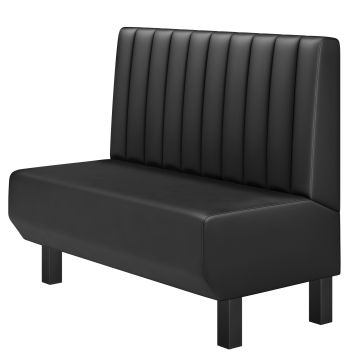


Gastro Upholstered Benches for Gastronomy
Upholstered benches for gastronomy combine comfortable seating with space-efficient room design. Various lengths, upholstery types, colours and constructions allow for targeted coordination with the dining area, table height and usage concept.
 Filter
 GGM ansicht
 Grid view
 Product view
 In line
 Masonry View
Upholstered benches for gastronomy as a structuring seating solution
Upholstered benches for gastronomy are padded benches designed for regular use in restaurants, cafés, bars and similar establishments. They are used against walls, in alcoves, as corner solutions or as continuous seating rows, combining seating comfort with an organised room layout.
A long upholstered bench along the window area, for example, creates a clear seating line and can be combined with individual tables for couples or small groups. In a quieter alcove, a bench with a high backrest can visually separate the area. Smooth upholstery surfaces appear straightforward, while vertical stitching, double seams or Chesterfield look give the backrest more structure.
What matters is that design and use match. Striking upholstery can serve as an accent, but should create a harmonious overall impression together with the floor, wall surfaces and gastronomy tables .
Plan space, table distance and service routes correctly
Upholstered benches often make more efficient use of wall and corner spaces than loose seating. Nevertheless, it is not only the maximum bench length that should be considered. Table position, legroom and clear walkways determine whether the seating works comfortably in everyday use.
The following distances are particularly relevant in planning:
- adequate space between seat edge and table
- clear knee and legroom under the tabletop
- accessible table sides for service
- unobstructed routes to kitchen, bar and sanitary area
- sufficient space for getting in and out
A centrally positioned table base is often more practical in front of a continuous bench than table legs placed far to the outside. This allows guests to slide onto the bench more easily without bumping into the frame or table edge. On the opposite side of the table, suitable gastronomy chairs provide additional flexibility when individual seats need to be added or table groups rearranged.
Which construction type suits the establishment?
Upholstered benches with a closed base appear compact and calm. There is no open area under the bench where napkins or food residues can collect. Models with visible legs look lighter and allow cleaning of the floor beneath the seat.
Modular bench elements are suitable when different wall lengths, corners or group sizes need to be considered. Straight elements can be combined with corner pieces and are easier to add to during later redesigns than a permanently installed solution. Bar-high benches, on the other hand, require precisely matched seat height and a stable footrest so that they work with high tables or counters.
Before ordering, wall length, base height, seat height and backrest height should be checked. For connected elements, it is also important that screw connections and joining points are suitable for the intended arrangement and that the bench stands securely on the existing floor.
Upholstery, Cover and Care in Everyday Gastronomy
The cover should be chosen according to use and typical soiling. Artificial leather can often be wiped clean quickly and is therefore suitable for areas with high frequency, drinks or greasy food. Fabric and velvet surfaces create a softer room effect and can acoustically support hard spaces, but require an adapted stain and care plan.
The front edge of the seat, outer corners, seams and the areas near the table are particularly stressed. Clothing, shoes, bags and cleaning equipment regularly come into contact with the material there. Moisture and unsuitable cleaning chemicals can also put strain on covers and edges in the long term. Care instructions should therefore be taken into account when making your selection.
Quick check for selection
- Does the seat height match the existing table height?
- Is the cover suitable for typical stains and frequent wiping?
- Does the backrest support the desired length of stay?
- Can the floor and base be cleaned easily?
- Can individual elements be added or replaced later?
Combining Comfort and Cost-effectiveness Sensibly
Upholstery firmness and seat depth should match the operational concept. For a quick lunch service, a more upright seating position is advisable. For longer evening visits, a more padded backrest can support the quality of stay. However, seats that are too soft or very deep are not always practical at classic dining tables.
A well-maintained, stable and aesthetically suitable interior influences how guests perceive the quality and price level of an establishment. Pleasant seating can encourage longer conversations and repeat orders. At the same time, robust covers, stable substructures and replaceable elements reduce the effort required for repairs and replacements. Therefore, not only the purchase price is decisive, but also the service life in daily operation.
Harmoniously Combining Upholstered Benches for Gastronomy
A balanced interior concept connects the bench with matching table dimensions, colours and materials. Dark bases can visually align with table frames, while upholstery colours can pick up wall designs or brand colours. Matching bar stools only make sense where high tables or a counter are also used.
Upholstered benches for gastronomy are particularly suitable for businesses that want to make targeted use of wall surfaces, clearly structure seating areas and combine comfort with professional everyday suitability. The right solution results from room dimensions, table height, cover, construction type and desired length of stay.



















