


 Request an offer











 Weinerpark 16 | 48607 Ochtrup | Germany









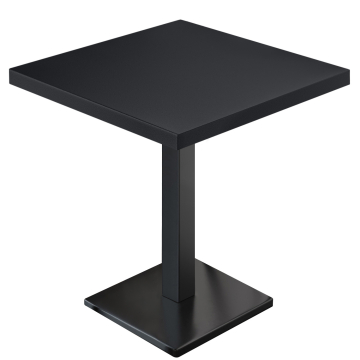
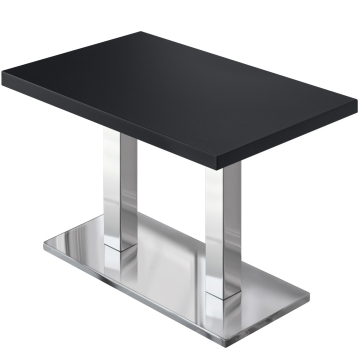
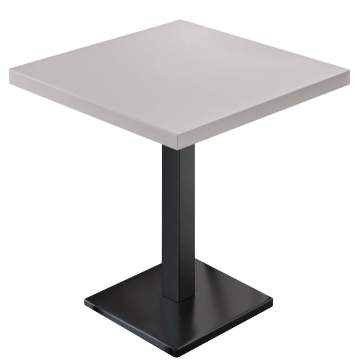
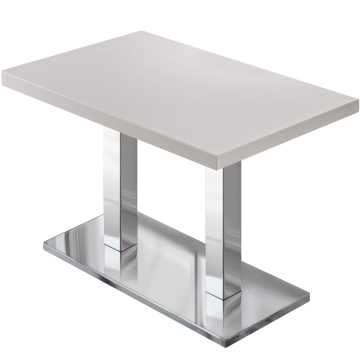


Melamine Restaurant Tables
Melamine restaurant tables combine easy-care table surfaces with practical formats for restaurants, cafés, and bistros. They are particularly suitable for indoor areas where straightforward cleaning and a clear spatial effect are required.
 Filter
 Grid view
 Product view
 In line
 Masonry View
What are melamine restaurant tables?
Melamine restaurant tables are complete gastronomy tables with a melamine-coated tabletop, primarily intended for indoor use in restaurants, cafés, bistros and similar establishments. The closed surface combines a neutral, uniform appearance with a comparatively uncomplicated daily maintenance routine.
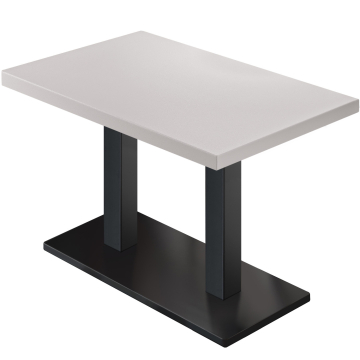
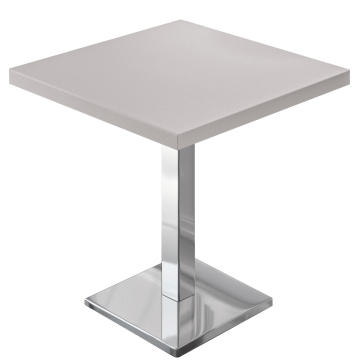
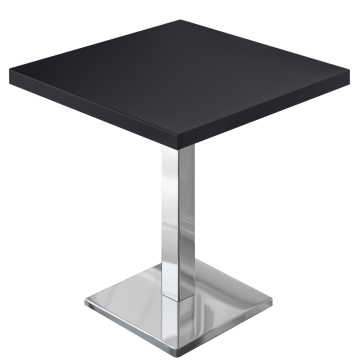
The GGM range includes, among others, square models with 70 x 70 cm as well as rectangular variants with 120 x 70 cm. A table height of around 74.5 cm matches the usual seating in dining areas, while 25 mm thick tops create a compact, clear proportion. Decors such as oak, wenge, black or white can be used in a calm, contrasting or warm manner depending on the concept.
Spatial effect and placement in the dining area
Square melamine restaurant tables with 70 x 70 cm are particularly suitable for compact two-person spots, for example against walls, in smaller niches or along window areas. Rectangular 120 x 70 cm tables offer more space for place settings and drinks and can support four-person seating or smaller group situations.
Light surfaces can make small dining areas appear more open, while dark decors create stronger contrasts with light chairs or wall surfaces. In areas with fast turnover, besides the appearance, it is especially important that chairs can be pulled back without blocking service routes. Therefore, not only the footprint of the table but also the actual movement zone between the table edge, seat and walkway should be planned.
Planning, process and flexible use
Melamine restaurant tables should match the seating mix and time of day. Many 70 x 70 cm tables allow for small-scale seating with couples and can be moved closer together for larger groups if required. Larger rectangular formats are better suited when full menus, several drinks or shared dishes require more surface area.
For smooth service operations, clear walkways are more important than maximally dense seating. Especially on routes to the kitchen, in front of service stations or near the bar, table edges should not protrude into walkways. If you wish to change the table system later, suitable gastro table tops and table bases can be planned separately; in doing so, fixing, bearing surface and tabletop format must be compatible.
Surface, edges and daily maintenance
Melamine-coated table surfaces are practical for frequent wiping and typical soiling such as coffee rings, grease, sugar or spilled drinks. Liquids should nevertheless be removed promptly, especially at edges and transitions. Abrasive agents and very aggressive cleaners can visibly damage the surface and should therefore not be used for standard cleaning.
For everyday gastronomy use, four criteria are particularly relevant. Format and proportion determine how many place settings can be sensibly accommodated. Decor and surface effect influence the interplay with floor, light and seating. Edges and transitions should be cleanly finished and easily accessible for cleaning. For the frame, footprint and a wobble-free setup are important; the range includes, among others, black or stainless steel-coloured bases. Melamine models in this category are intended for indoor use, not as a substitute for expressly weatherproof terrace tables.
With high frequency, a brief practical test is also worthwhile: load the table, move it slightly and check whether uneven floors cause wobbling. This allows the planned combination of top, frame and location to be better assessed before bulk purchasing.
Quick check for selection
- 70 x 70 cm for compact two-person spots and flexible table rows
- 120 x 70 cm for more space with menus or four-person seating
- Select decor to match light, floor and desired spatial effect
- Plan movement area for pulling out chairs and service routes
- Check indoor suitability, care instructions and frame stability before purchase
Cost-effectiveness and harmonious combination
A well-maintained, stable table supports the perception of quality in a dining area. When guests are seated comfortably, have sufficient space at the table, and the surroundings appear clean and harmonious, this can positively influence the quality of stay, repeat orders, and return visits; this may result in an economic effect, although it does not depend solely on the piece of furniture.
For a cohesive overall appearance, table decor, frame, and seating furniture should be considered together. Black bases, for example, appear clear and high-contrast, while stainless steel finishes look more neutral. Within the Bistro Tische formats can be matched to different zones. It remains crucial that melamine restaurant tables not only visually fit the concept, but also provide sufficient surface area, stable standing conditions, and manageable maintenance in daily operation.



















