


 Request an offer











 Weinerpark 16 | 48607 Ochtrup | Germany











Lounge benches for gastronomy, bars and hotels
Lounge benches create comfortable seating areas for bars, restaurants, hotels and waiting areas. Depending on the design, they are suitable for relaxed stays, sheltered niches or clearly structured lounge areas.
 Filter
 GGM ansicht
 Grid view
 Product view
 In line
 Masonry View
Lounge benches as a targeted element of interior design
Lounge benches are upholstered benches for gastronomic lounge, bar, lobby and waiting areas. They differ from classic restaurant benches mainly by often having a greater seat depth, softer upholstery and a seating position more geared towards longer stays.
In a room, they are particularly effective along long wall surfaces, in window niches or in transitional areas between bar and dining area. A low backrest keeps sightlines open and is suitable for communicative areas. High backrests, on the other hand, create more clearly separated seating islands and can offer guests more tranquillity.
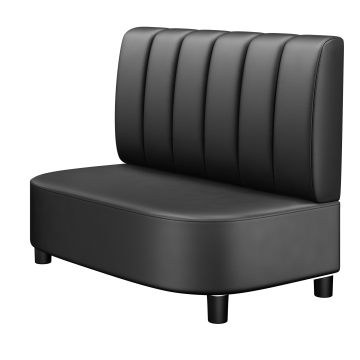
The upholstery design also influences the style. Smooth surfaces appear understated and modern, vertical quilting structures long bench elements, and diamond quilting sets a more striking accent. It is crucial that shape, colour and cover match the gastronomic concept and do not appear as a separate individual piece of furniture.
Planning lounge benches correctly: seat height, depth and walkways
Before making a selection, it should be clarified how the seats will be used. For drinks, small dishes and longer conversations, a deeper seat surface can be sensible. If full meals are served, seat height, back angle and table height must be coordinated so that guests can eat upright and comfortably.
Long bench elements use wall surfaces efficiently, but require sufficient space for table access and service. There should be enough room for movement between the table edge and the opposite row of seats. Service routes to the kitchen, bar and service stations must also not be narrowed by the bench-table combination.
For corner solutions, it should also be checked whether guests can comfortably reach the rear seats. Modular centre and corner elements make it easier to adapt to room shapes, while fixed bench lengths create a calmer, more cohesive overall appearance.
Quick check for selection
- Does the seat height match the intended table and menu?
- Does the seat depth support the desired length of stay?
- Are table access, legroom and service routes sufficiently clear?
- Is the backrest suitable for the desired openness or screening?
- Is the cover suitable for typical stains and cleaning procedures?
Upholstery and Construction for Daily Hospitality Operations
Lounge benches are subjected to daily use. Drinks, food residues, cleaning agents and frequent wiping particularly affect seat surfaces, edges, seams and plinth areas. In many cases, artificial leather can be wiped clean quickly, while robust contract fabrics can provide a textile effect and contribute to room acoustics. For velour or velvet-like surfaces, it should be checked whether the maintenance effort and susceptibility to stains are suitable for the business.
In high-traffic areas, hard-wearing covers, stable upholstery supports and neatly finished edges are more important than a purely decorative surface. A closed plinth creates a calm appearance, but can make floor cleaning more difficult. Models on legs make it easier to access under the bench, depending on the floor clearance.
For modular lounge benches, connection points and screw fittings should be robustly designed. The individual elements must stand securely on the existing floor and must not shift against each other under load.
Combining Quality of Stay and Economic Use
A well-maintained and stable-looking lounge area supports the perception of quality throughout the entire establishment. Comfortable seating can help guests to linger more relaxed, order another drink or rate their stay positively. Whether this results in an economic effect, however, also depends on service, offering, time of day and target group.
At lunchtime, a very deep, soft seating position can slow down the desired rotation. In the evening, in bars or hotel lounges, the same feature can be deliberately used to encourage longer stays and additional orders. Zonal planning is therefore often sensible: lounge benches for quieter or high-turnover areas, more functional seating for quicker use.
Harmoniously Combining Lounge Benches
For a cohesive overall look, lounge benches should be combined with matching lounge tables. Table height, top size and distance to the seat edge must suit the posture on the bench. Additional club chairs or stools can accommodate open ends of a seating group and create extra flexibility for changing group sizes.
In hospitality areas with a higher proportion of food service, coordination with suitable restaurant tables can also be sensible. The bench should not be selected in isolation: floor, wall colour, lighting and acoustics influence how the upholstery and cushion shape actually appear.
Selecting Lounge Benches to Suit the Establishment
The right lounge bench combines spatial effect, seating comfort and suitability for everyday use. Those who consider use, seat geometry, backrest height, material and walkways together create an area that matches the business concept and also proves itself under regular use.



















