


 Request an offer











 Weinerpark 16 | 48607 Ochtrup | Germany









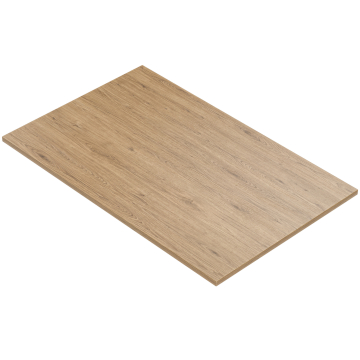
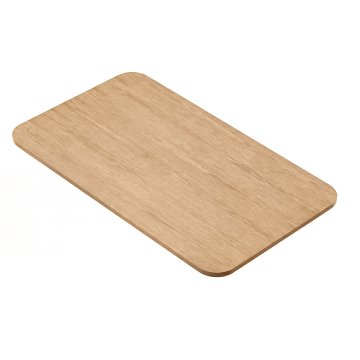
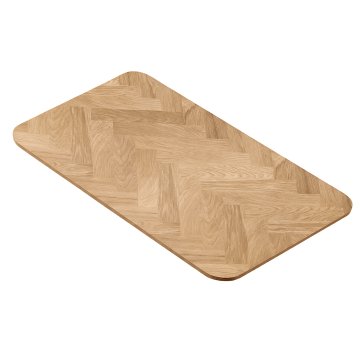
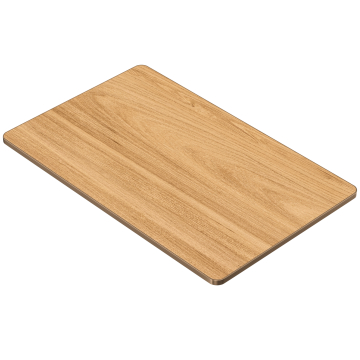

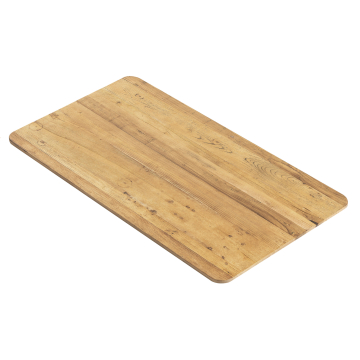
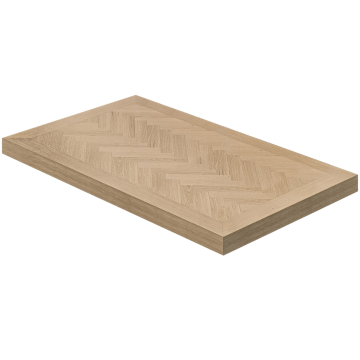
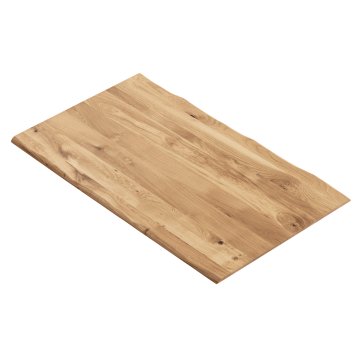


Large Tabletops
Large tabletops offer ample space for groups, extensive table settings and communal table zones in restaurants and hotels. Various formats, materials and shapes for indoor and outdoor areas.
 Filter
 Grid view
 Product view
 In line
 Masonry View
Large Table Tops for Spacious Hospitality Areas
Large table tops are surfaces with above-average generous dimensions, designed for groups, long tables and space-intensive place settings. Typical formats in the range extend from 160 x 90 and 180 x 90 cm up to 200 x 100 cm; depending on the series, rectangular, oval or Danish-oval versions are available.
In restaurants, these tops create a calm, connecting focal point. They are particularly suited to group areas, bench zones and separate rooms for celebrations or business meals. Rectangular tops emphasise clear spatial axes, while oval edges make the large surface appear softer and can facilitate movement around the table. Wood and oak looks support a warm, natural atmosphere; dark decors, marble looks or herringbone surfaces create stronger design accents.
Plan Space Requirements, Group Size and Service Routes
A large table top offers plenty of usable space, but requires more than just its external dimensions. Chairs must be able to be pushed back, guests need comfortable access and service should be possible with trays even when the table is occupied. Therefore, top size, chair width, walkways and the position relative to kitchen, pass or service station all belong together in the floor plan.
Shape and proportion are central decision criteria. 160 x 90 cm is suitable for more compact group solutions, while 180 x 90 or 200 x 100 cm support longer tables and more extensive place settings. A width of 90 or 100 cm provides more space for plates, drinks, bowls and table decorations, but also increases the distance between guests sitting opposite each other. In a Gastrobänke zone, a long top can bundle seating; free-standing in the room, however, it requires sufficient space for movement on all sides. For flexible two- and four-person table grids, smaller bistro tables are usually the more suitable category.
Material, Edge and Care in Daily Operations
Large table tops are subjected to greater stress due to their weight, long edges and larger surface area. In daily use, an easily accessible, wipeable surface, robust edges and a material choice suited to the location are therefore important. Oak veneer, solid wood and thick tops with 4, 6 or 8 cm edge effect create a striking, handcrafted look. Wood requires appropriate care and should be protected from standing moisture, aggressive cleaning chemicals and unnecessary heat.
For expressly designated outdoor areas, for example, HPL-Compact tops are an option. Large outdoor formats can appear much slimmer with only about 12 mm top thickness than massive indoor tops. However, the specific approval for terrace or outdoor seating is always decisive; suitable alternatives can be found under weatherproof table tops. Stains and spilled drinks should be removed promptly, especially at butt edges, joints and structured surfaces.
Frame, assembly and stability correctly coordinated
As the length increases, the requirements for the substructure and fastening also rise. A tabletop of 160 x 90 cm or more should not be mounted on a frame designed only for compact bistro formats. Check the permissible tabletop size, support surface, number and position of columns, base plate, screw points, as well as the tabletop weight. Large rectangular formats often require a double frame, two runners or a suitably dimensioned substructure from the table frame category.
Before assembly, it must be clarified whether pre-drilled holes and fastening materials are available. Screws must match the material thickness in length and type; particular care must be taken with thin HPL-Compact tops. A trial assembly will show whether the table stands without wobbling, offers sufficient legroom, and whether the selected gastro chairs fit under or at the tabletop without collision.
Quick check for large tabletops
- Align format with group size, food concept and table setting scope
- Select rectangular, oval or Danish oval shape to suit the room axis
- Check suitability of the specific material for indoor or outdoor use
- Match substructure, fastening and permissible tabletop weight conclusively
- Test chair backs, service routes and access to scale or with a trial assembly
Use large table surfaces economically and harmoniously
A well-maintained and stable group table can visibly enhance the quality of an area. If guests feel comfortable at a spacious table, longer stays, additional drink orders and a positive return are more likely. However, a business effect only arises if room size, service processes, occupancy and time of day are coordinated; an overly large tabletop can tie up space if group demand is low.
Recurring decors, coordinated edge colours and matching frames create a cohesive overall impression. Large tabletops are therefore especially useful where groups are regularly expected and a fixed, representative table zone is desired operationally. The right choice combines usable surface, stable construction and a surface that reliably supports daily operations.



















