


 Request an offer











 Weinerpark 16 | 48607 Ochtrup | Germany









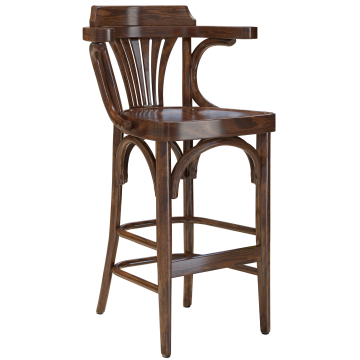

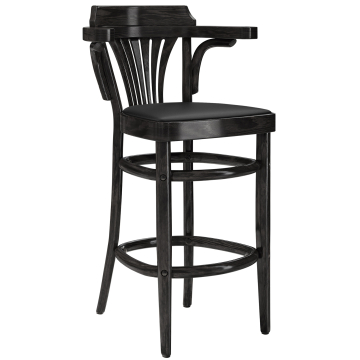
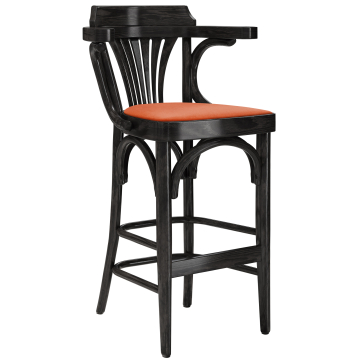


Wooden bar stools with backrest
Wooden bar stools with backrest offer elevated seating for counters and high tables in bars, cafés and restaurants. The backrest provides guests with support, while the wooden frame creates a warm atmosphere.
 Filter
 Grid view
 Product view
 In line
 Masonry View
Classifying wooden bar stools with backrests in the dining area
Wooden bar stools with backrests are elevated seating furniture with a wooden frame and back support for counters and high tables. They combine the upright seating position of a bar seat with support for the back; some models also feature a padded seat.
Wood brings a warm, calm touch to bar and restaurant areas. Dark frames in wenge look appear classic at a counter with subdued lighting; black or brown seat covers keep the appearance understated. A taupe-coloured cover can ease the transition to lighter restaurant zones. At a window bar or in a small niche, this creates recognisable spots for drinks and light meals.
Planning seat height and movement space at the counter
The starting point is the actual height of the counter. In the GGM range, there are wooden bar stools with backrests and a seat height of 80 cm. Measure from the finished floor surface to the underside of the counter and check whether there is enough space for the thighs and for comfortable standing up. For standing tables, the position of the table frame is also important: crossbars or wide base feet must not block the stool's footrest.
The backrest needs space behind the seat when guests pull the stool back. Therefore, not only the width and number of seats are decisive, but also the total depth. For specific GGM models, the overall widths are around 42 to 43 cm, while the depths vary. Draw the stools in their pulled-out position on the floor plan and walk the service route with a tray as a test. Especially at the passage to the kitchen, no backrest should protrude into the walkway. For several seats next to each other, there must be space at the sides for getting in and out.
Choosing backrest, seat and stability to suit usage
Four features determine suitability: seat height relative to the counter, shape and depth of the backrest, nature of the seat surface, as well as stability and footrest. A backrest helps guests to lean back when having a second drink. At the same time, it defines the seating direction more strongly than a stool without a backrest. Therefore, check the viewing direction and distance from the wall before planning a row permanently.
The smooth faux leather seats of the GGM models shown can be wiped clean in everyday use; seams and transitions still require attention. In busy beverage service, spilled liquids and frequent cleaning matter more than a soft first impression. Ensure an accessible footrest, secure joints and suitable floor glides. A GGM model is delivered disassembled with assembly instructions; after assembly, the backrest, legs and footrest should be firmly in place. The tested wooden models are designated for indoor use. For the terrace, the outdoor suitability of another model must be explicitly stated.
Quick check before ordering
- Match counter height and seat height to the finished floor.
- Mark pulled-out stools including backrest on the floor plan.
- Coordinate seat cover with typical drink and food stains.
- Check footrest, glides and fixings on the model.
- Confirm indoor use and care instructions for the specific model.
Harmoniously combining wooden bar stools with backrests
Recurring wood colours and cover tones connect the bar area with adjacent seating. A dark wooden frame can, for example, be echoed with a matching table surface; with wooden and upholstered chairs in the lower restaurant area, the same shade can be continued. This keeps the counter and table area recognisable as different usage zones. Bistro tables can form the transition to regular seat heights. Also check wood tone and cover under the lighting you use in the dining area in the evening.
Considering comfort and cost-effectiveness together
A stable backrest, a suitable footrest and well-maintained surfaces shape how guests perceive and use a bar seat. If they feel comfortable there, they may stay longer, order another drink or return. This can have a positive impact on the bar area’s turnover; offer, service and occupancy also play a role. Loose joints, damaged edges and hard-to-clean covers also cost time in everyday operations. Therefore, when comparing purchase prices, also consider maintenance effort and suitability for your actual guest frequency.
Select the stool according to counter height, length of stay and cleaning routine. A well-planned bar seat provides guests with support and gives the service staff the necessary room to move.



















