


 Request an offer











 Weinerpark 16 | 48607 Ochtrup | Germany









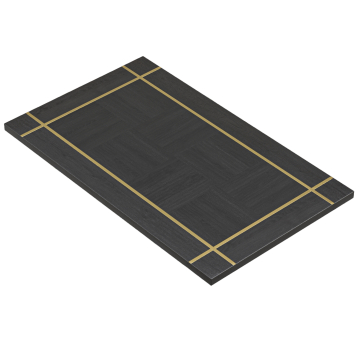

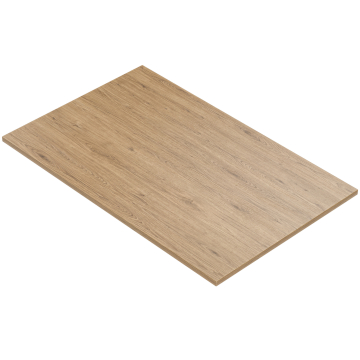
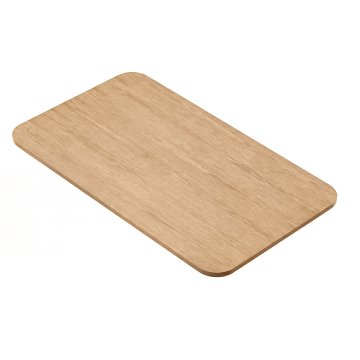
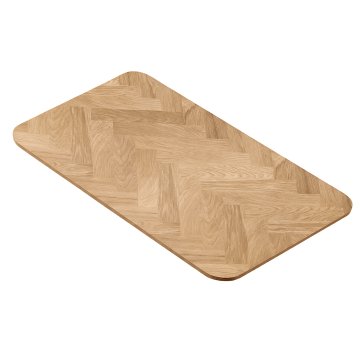
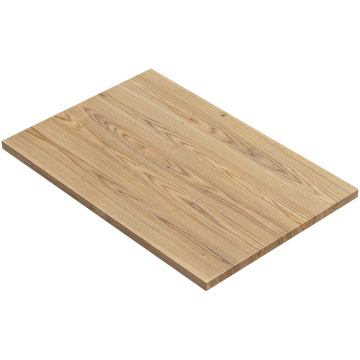
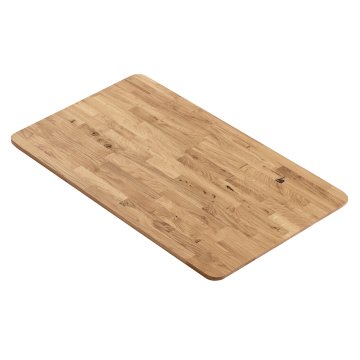
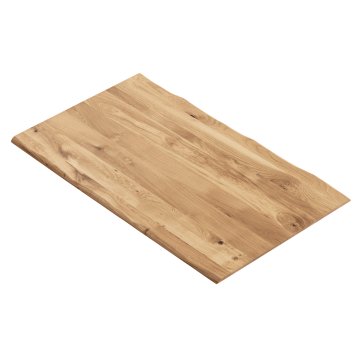


Table Tops 90-130 cm
Table tops from 90 to 130 cm offer generous surfaces for several place settings, serving dishes and flexible table groups in restaurants, cafés and hotels.
 Filter
 Grid view
 Product view
 In line
 Masonry View
Why table tops with a width of 90-130 cm?
Table tops 90-130 cm are medium-sized to generous tops for gastronomic tables, whose relevant side length or diameter is between 90 and 130 cm. These include, among others, square formats such as 90 x 90, 100 x 100 and 120 x 120 cm, rectangular variants such as 110 x 60, 120 x 70 and 130 x 80 cm as well as round tops with a diameter of 100 or 120 cm.
This means they bridge the gap between compact bistro tops up to around 80 cm and significantly larger group or banquet tables. They are particularly suitable for restaurants, hotel gastronomy, cafés with an extensive food offering and areas where several place settings, serving platters or table decorations need to be accommodated safely.
Making sensible use of generous table surfaces in the dining area
Larger table tops create a calmer, higher-quality spatial impression and divide the dining area into clearly recognisable table islands. Square tops from 90 to 120 cm support orderly grids in the main dining area, while round diameters of 100 or 120 cm promote communication in groups and visually soften hard room axes. Rectangular formats such as 120 x 70 or 130 x 80 cm fit well with banquette seating, in window areas or in zones for longer stays.
The additional surface improves comfort, but also requires more space for movement. Therefore, plan not only the top size, but also recessed chairs, passageways and service routes. Especially with 120 x 120 cm or Ø 120 cm, it should be checked whether staff with trays can pass by and guests can stand up without touching neighbouring tables.
Select formats, materials and substructure appropriately
Four criteria are particularly important for the decision. Format and group size: 90 x 90 or 100 x 100 cm are often suitable for four seats, while 120 x 120 cm, Ø 120 cm or 130 x 80 cm can support larger groups depending on the seating arrangement. Shape and zoning: Round tops facilitate communication, square models can be arranged in a straight line, and rectangular variants make efficient use of elongated wall or bench areas.
Material and location: HPL or melamine-coated surfaces are practical for frequent wiping indoors. For terraces and outdoor seating, expressly suitable variants such as HPL Compact, CDF or other weather-resistant outdoor table tops should be chosen. Real wood veneer and solid wood have a warm and natural effect, but require sealing and care appropriate to their use. Sintered stone or marble-like surfaces create stronger design accents; stain resistance, edge stability and suitability for cleaning agents remain decisive.
Substructure and assembly: As the surface area increases, the leverage on the frame increases. For 120 x 70 or 130 x 80 cm, check whether a double frame, two columns or a suitable four-leg substructure is required. For square 100 or 120 cm tops, the base area, mounting plate, screw length and top thickness must match. The manufacturer's specification for the maximum recommended top size is more binding than a purely visual assessment. Suitable table frames should therefore be planned together with the top.
Quick check for selection
- Mark the desired format with place settings, serving dishes and decorations as a trial
- Plan for chair backs and free service routes around the actual top size
- Clearly check the suitability of the surface for indoor or outdoor use
- Match frame mounting, screw length and recommended maximum size
- Coordinate edges and surface for frequent cleaning, moisture and impact stress
Consider use, care and cost-effectiveness together
Table tops of this size class offer more space and can make stays during menus, breakfast or shared meals more pleasant. A stable, clean and room-appropriate table surface supports the perception of quality. If guests feel comfortable and can use food and drinks conveniently, this can encourage longer stays, repeat orders and return visits. Higher turnover is not guaranteed, but furnishings and product quality can positively influence guest behaviour and turnover per seat hour.
For a harmonious overall appearance, proportions, decor and edge colour should be coordinated with chairs or bench elements. Large tops appear lighter if the frame and seating furniture remain visually restrained; striking wood, marble or herringbone surfaces, on the other hand, can serve as a deliberate focal point. What is decisive is a combination that convinces not only on the opening day, but also looks well cared for after frequent wiping, knocks and rearrangements.
Table tops 90-130 cm are a suitable choice when more usable space is needed without switching directly to very large banquet formats. Those who plan top size, location and substructure together create robust tables with a clear function in everyday gastronomy.



















