


 Request an offer











 Weinerpark 16 | 48607 Ochtrup | Germany









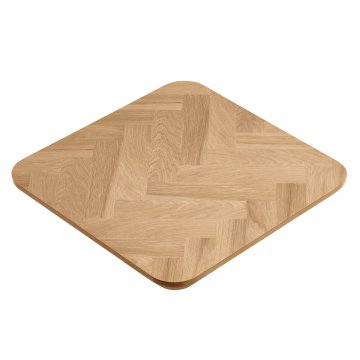
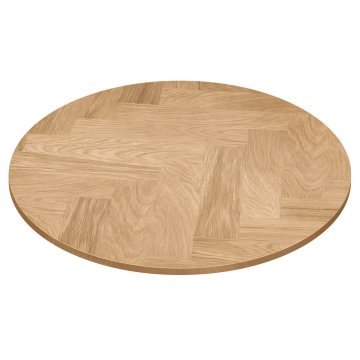
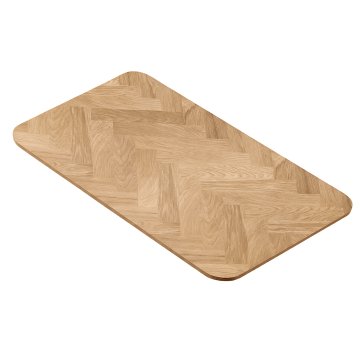
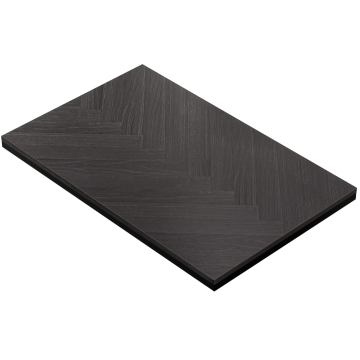


Herringbone Table Tops
Herringbone table tops combine a distinctive wood structure with various shapes and dimensions for restaurants, cafés and bars. They are suitable for individual table concepts in dining areas where surface and material effect are intended to consciously contribute to the interior.
 Filter
 Grid view
 Product view
 In line
 Masonry View
Herringbone Table Tops as a Defining Design Element
Herringbone table tops are table surfaces whose wood or veneer elements are arranged in a regularly staggered V-pattern. The herringbone pattern, known from parquet flooring, combines clear geometry with visible wood grain, setting it apart from smooth wood tops or pure wood decors.
In the dining area, the pattern creates movement without appearing restless. Oak supports a warm, bright room concept, while walnut as well as dark wenge or black tones create stronger contrasts. The diagonally running elements are particularly effective on free-standing tables, in window areas or in quiet niches, where guests can perceive the surface from several angles. In heavily furnished areas, the remaining material and colour scheme should remain restrained.
Plan Shapes and Dimensions to Suit Your Business
The selection ranges from compact round or square tops to rectangular and oval variants for larger groups. Shape and proportion influence more than just the appearance: 60 x 60 cm or Ø 60 cm are more suitable for coffee, drinks and small dishes, while 120 x 70 cm offers more space for full place settings. Large formats up to about 200 x 100 cm or more require sufficiently wide service routes and a stable substructure.
Square tops can be arranged neatly in areas with fast turnover and combined if the edge design is suitable. Rectangular formats support clear table rows, while round tops open up conversation situations and soften hard room axes. With oval or Danish-oval versions, rounded ends reduce the risk of bumping in walkways and make it easier to pass by. Nevertheless, chair backs, legroom and the movement area for service should be checked during a trial setup.
Material, Surface and Assembly in Everyday Catering
The range includes, among others, versions with oak wood veneer, solid spruce core and different top thicknesses. Thinner veneer tops of around 25 mm appear lighter and are suitable for compact bistro setups; doubled or thicker versions with 40, 50 or 60 mm create a stronger edge and require a correspondingly dimensioned frame. Natural wood and real wood veneer may show colour differences, knots or minor repaired spots – these features are part of the material's character.
For everyday use, spilled liquids and stains should be wiped off promptly. Mild cleaners approved for the respective surface protect oil or sealing layers better than aggressive cleaning chemicals. Edges deserve special attention, as they are more heavily stressed during clearing, moving chairs and pushing tables together. For outdoor areas, only tops expressly designated for this purpose should be chosen.
Before assembly, compatibility with table bases should be checked. Several herringbone models are supplied without pre-drilling and without fixing screws; drilling pattern, screw length, mounting area and recommended base plate size must therefore match the specific model. Also check the actual dimensions, as nominal sizes may vary due to production.
Decision Criteria for Herringbone Table Tops
Four criteria are particularly relevant for selection: Firstly, the pattern and colour direction must match the room concept. Secondly, the format determines the place setting area, group size and flexible rearrangement. Thirdly, the thickness of the top influences both the visible edge as well as weight and choice of frame. Fourthly, surface treatment and edge construction determine the maintenance effort in daily operation.
Quick Check
- Assess herringbone direction and wood tone under lunch and evening light
- Test format using crockery, glasses and typical orders
- Mark chair positions, legroom and walkways on the floor plan
- Coordinate frame fitting, drilling and screws before ordering
- Determine suitability for indoor or outdoor use based on product information
Harmonious Combination and Economic Impact
Herringbone table tops have the clearest effect when the frame, seating and lighting do not compete for attention. Slim black metal frames emphasise a modern or industrial direction; subtle wood and upholstery tones create a calmer overall impression. Depending on the zone, the tables can be combined with movable chairs for flexible seating or with banquettes for protected, longer-used seating areas.
A well-maintained, stable table surface can support the perceived value of the dining area. If guests feel comfortable at the table, find sufficient space and experience a consistent ambience, this can encourage longer stays, additional orders or repeat visits. At the same time, suitable dimensions, functioning service routes and an easy-to-clean treated surface can limit workload and disruptions to operations.
Therefore, it is not just the decorative pattern that is decisive, but the interplay of proportion, surface and substructure. In this way, the herringbone top becomes a resilient part of the interior design concept rather than an isolated eye-catcher.



















