


 Request an offer











 Weinerpark 16 | 48607 Ochtrup | Germany









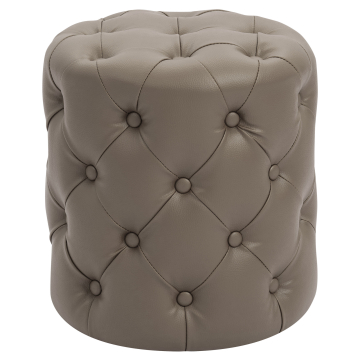
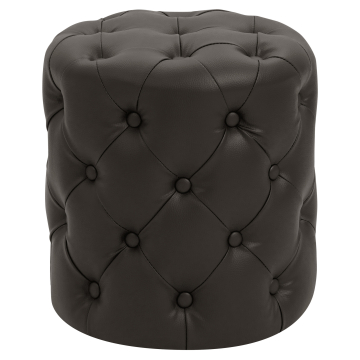
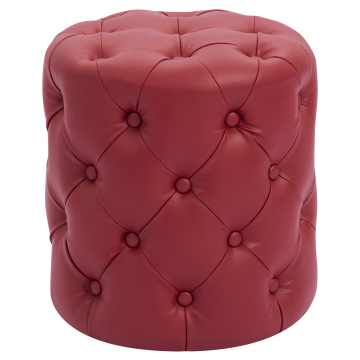
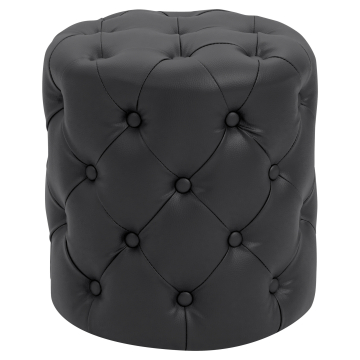
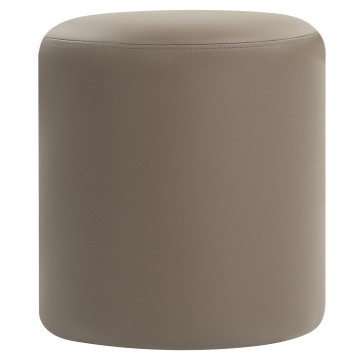

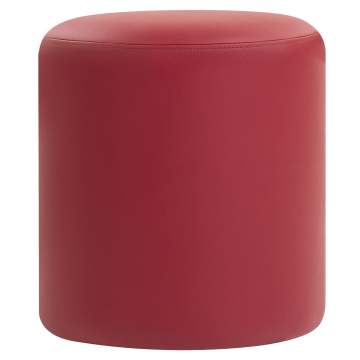


Round Stools
Round stools are compact seating solutions for gastronomy, cafés, bistros, bars and lounges. They are suitable for flexible additional seating at small tables, in waiting areas or in spaces with changing use.
 Filter
 Grid view
 Product view
 In line
 Masonry View
Round stools as compact seating solutions with a clear spatial effect
Round stools are low, compact stools for standard table and lounge areas. They differ from bar stools due to their lower seat height, the lack of counter orientation, and their use at bistro, café, or lounge tables.
Their round shape is deliberately understated: no hard corners, no long back line, no bulky chair rim. This makes round table stools particularly suitable for areas where additional seating is needed without visually overloading the space. Typical locations include small window seats in cafés, informal group areas in shisha bars, or a niche in a restaurant where guests can briefly sit, wait, or join a small table. Models with Ø 42 cm, closed upholstered surface or Chesterfield quilting create a different effect in the room compared to simple wooden or metal stools.
How round stools influence walkways and the sense of space
With round stools, not only the appearance but also the space required in everyday use is decisive. As they usually do without a backrest, they can be pulled closer to the table and, if necessary, pushed under the table edge. This can be helpful in narrow passages, at wall seats or near service routes. At the same time, there must be enough space for guests to stand up comfortably and for staff to pass by with trays.
It is important to coordinate with table height, table shape and usage. At small bistro tables round table stools have a different effect than in a lounge corner with a lower table. For quick rotation during the day, an upright, uncomplicated seat is advisable. For the evening or longer waiting times, a softer upholstery may be more comfortable. The decisive factor remains: the stools must not block walkways, must not make it difficult to move chairs, and should not be placed so closely together that the area appears restless.
Material, surface and care in everyday gastronomy
Round stools are frequently moved, touched and used close to table edges. Therefore, everyday suitability counts more than a single design feature. Faux leather or smooth upholstered surfaces can usually be wiped quickly, are practical in case of drink spills, and fit well in bars, cafés and waiting areas. Wood brings a warm, robust appearance, but requires a surface that can withstand frequent wiping, moisture at edges and impact zones. Metal or stainless steel components appear more functional and are sensible where high frequency, short stays and quick cleaning are important.
With round stools, pay attention to neat seams, firm upholstery, stable feet and a base that matches the load-bearing capacity required for commercial use. For screwed frames, the fitting and connection should appear solid; loose or hard-to-reach screws make later inspection and maintenance more difficult. Floor glides are also relevant so that the stool can be moved more quietly and floors are less stressed.
Quick check for round stools
- Seat height suitable for standard gastronomy tables, not for counters
- Diameter suitable for table size and intended number of people
- Surface suitable for frequent wiping, stains and moisture
- Stable stand even when standing up sideways and frequent repositioning
- Shape and colour matching the existing seating mix of gastronomy chairs and benches
Economic benefit arises from use and impression
Round stools are not a replacement for every seating solution, but a sensible component in the seating mix. They can create additional seats, cushion peak times and make flexible areas usable. A well-maintained, stable and harmonious stool influences how guests perceive the space: clean, orderly, of high quality and matching the concept. This perception can affect length of stay, repeat orders and return visits, especially when comfort, lighting, acoustics and walkways fit together.
For operators, the unit price is therefore not the only important factor. Decisive are lifecycle, cleaning effort, availability for repurchase and the question of whether the stool really works in day-to-day business. A cheap stool that quickly wobbles, scrapes loudly across the floor or is hard to keep clean impairs processes and impression.
Harmoniously combining round table stools
A calm overall appearance is created when round stools are not selected in isolation. Colours such as black, brown, taupe or cream should match table tops, wall surfaces, upholstery and lighting mood. Dark stools appear more resilient and understated, light variants open up small areas, red or striking upholstery set accents in bar and lounge environments.
In combination with benches, round table stools can create flexible additional seats in group areas. Alongside lounge furniture they act as a movable addition for short conversations, waiting times or small groups. It is important that shape, seat height and material do not appear random, but support the room concept.
Round table stools are suitable for gastronomy businesses looking for compact, flexible and easy-care seating. Those who carefully check seat height, diameter, surface, stability and area of use make a reliable decision for daily operations.



















