


 Request an offer











 Weinerpark 16 | 48607 Ochtrup | Germany









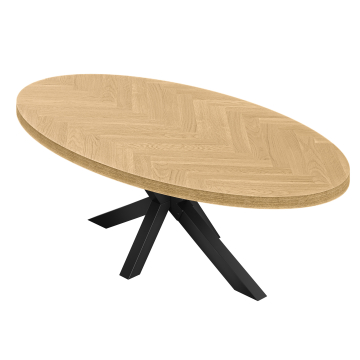


Gastro Wooden Tables
Wooden tables for the hospitality industry combine a natural material effect with the requirements of professionally used guest areas. They are suitable for restaurants, cafés and bistros where design, stability and everyday practicality need to go hand in hand.
 Filter
 Grid view
 Product view
 In line
 Masonry View
Wooden tables for the hospitality industry: Furniture with impact
Wooden tables for the hospitality industry are tables with a tabletop and, depending on the design, other construction elements made of wood or solid wood, selected for commercial use in dining areas. They combine a natural grain and warm material effect with the functional requirements of restaurants, cafés, bistros and bars.
Wood is particularly suitable for spaces that are intended to appear homely, calm or artisan. Light wood surfaces can make a dining area appear bright and welcoming, while darker tones have a stronger and more formal effect. The grain comes into its own in window areas or quiet niches; in heavily frequented central zones, however, the everyday practicality of the surface should take priority. For a harmonious overall look, wooden tables can be combined with wooden & upholstered chairs.
Planning table size, zoning and service routes correctly
With wooden tables, not only the appearance but also the proportions are decisive. Compact square tables are well suited for flexible 2-person zones and can be added to create larger group arrangements if required. Rectangular formats offer more space for menus, shared dishes or more extensive place settings, but require correspondingly more depth in the room.
There should be enough space between the table edge, chair and the next walkway so that guests can stand up comfortably and staff can pass by with trays. Legroom also depends on the base: a central column base behaves differently from a four-leg or double base. If tabletops and bases are planned separately, the approved top size, mounting and load-bearing capacity of the suitable table bases should therefore be checked.
Surface, edge and care in hospitality operations
Wood is a natural material and reacts more strongly to moisture and intensive use than many purely synthetic surfaces. Therefore, a surface treatment suitable for hospitality operations is crucial. Frequent wiping, spilled drinks, grease, hot plates and cleaning agents all put a strain on the surface, as does knocking chairs or serving dishes against the table edge.
Four points should be given special consideration when selecting: the type of wood and surface sealing, the format suitable for the typical guest group, the edge shape and top thickness, as well as the construction of the base. Natural wood also shows differences in colour and grain; this variation is part of the material's character. If you wish to reuse existing bases, you should check the drilling pattern, mounting surface and permissible top size before installation. For individual combinations, solid wood tabletops are suitable.
Quick check for wooden tables in the hospitality industry
- Define use: compact table zones, classic restaurant seating or larger group areas
- Match surface to stains, moisture and frequent wiping
- Align table format with place setting size, chair backs and walkways
- Assess base, mounting and legroom
- Clearly separate indoor and outdoor use and only use suitable versions for each
Wooden tables as part of comfort and economic efficiency
A well-maintained, sturdy wooden table can support the impression of quality and care. When table, chair, lighting and room layout match, guests are more likely to feel comfortable and may stay longer or be more likely to order again. Especially in the evening business, pleasant haptics, sufficient table space and a calm overall appearance can enhance comfort; in lunch service, easily accessible seats, clear routes and surfaces that are quick to clean are more important.
The economic effect therefore does not arise solely from the material wood. What is crucial is whether the furnishings suit the desired table rotation, average receipt, cleaning time and usage mix of the business. A robust, repairable construction can also help to limit replacement and downtime costs over the lifecycle.
Combine wooden tables appropriately and use them long-term
For a calm interior design concept, wood tone, frame colour and seating furniture should be coordinated, without every element having to appear identical. Black metal frames can create a stronger contrast and a more industrial character, while wooden frames support a cohesive, warm overall appearance. Near the counter, the material line can be continued with wooden bar stools, while in the main guest area, different table formats take over the zoning.
When making a selection, the combination of material effect, maintenance, format and construction is therefore important. Wooden tables are particularly suitable for the hospitality industry when their natural appearance is used deliberately and their surface is matched to the actual demands. This creates a table solution that fits the design concept and is planned in a comprehensible way for daily operations.



















