


 Request an offer











 Weinerpark 16 | 48607 Ochtrup | Germany









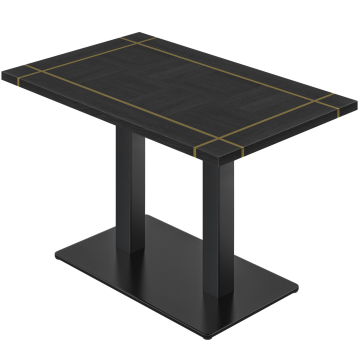

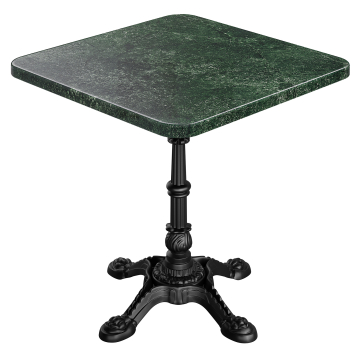


Modern Gastro Tables
Modern gastro tables combine a clear design language with functional surfaces and stable constructions for everyday use in the hospitality industry. They are suitable for contemporary restaurants, cafés, bistros, bars and hotels.
 Filter
 Grid view
 Product view
 In line
 Masonry View
Modern restaurant tables as part of a clear spatial concept
Modern restaurant tables are restaurant and bistro tables designed for commercial use, featuring a clear design language, contemporary surfaces and robust bases. Typical characteristics include reduced geometries, calm décors and material contrasts such as wood or marble effect with black, powder-coated steel frames or stainless steel.
In the dining area, such tables support a tidy, contemporary appearance without pushing themselves into the foreground. Round models are well suited for communicative pairs or small groups, square tables can be easily arranged in a grid in café and bistro zones, while rectangular variants offer more space for menus, plates and groups. Near windows, light wood and marble surfaces appear different than under warm evening light; reflections and contrasts should therefore be checked in the actual lighting scenario.
Space planning, walkways and flexible seating
A modern look only works if the table arrangement supports operations. Compact formats of around 60 to 70 cm side length or diameter are interesting for two-person settings, while longer rectangular tables require more floor space and must therefore be more closely coordinated with walkways. The decisive factor is not the maximum number of tables, but whether guests can comfortably pull out chairs, staff can pass by with trays, and access to the kitchen, bar or service station remains unobstructed.
Square tables can often be combined more easily for changing group sizes. With round table tops, however, there is no corner area in the passageway, which can be helpful in niches or at the edges. Suitable chairs should match the table format in seat height, width and back shape, so that legroom and movement area are not lost due to a purely visual selection.
Materials and surfaces for everyday restaurant use
The range of modern restaurant tables includes, among others, HPL-coated surfaces, real wood veneer as well as wood and marble effects. Black ABS edges provide a clear contrast on many models and protect stressed table edges during daily handling. Table top thicknesses of around 25, 30, 50 or 60 mm also create distinctly different proportions: slimmer tops appear lighter, thicker constructions more prominent.
For operations, in addition to appearance, frequent wiping, stains, moisture and knocks to the edges are especially important. Cleaning agents should be suitable for the respective surface; aggressive or abrasive products can impair the finish and décor. Hot serving items should also only be placed according to the care and material instructions. If table top and base are combined separately, attention should be paid to suitable top size, fixing, bearing surface, stability and assembly requirements for table tops and table bases. A modern indoor table is also not automatically suitable for outdoor use; for terraces and outdoor seating, specifically suitable outdoor tables are the correct choice.
Selection criteria for modern restaurant tables
Shape and proportion: Round, square or rectangular should be chosen according to group size, room grid and service routes. Surface and décor: Wood effect appears warmer, marble effect more graphic and contrasting; both should match the lighting and the rest of the interior. Frame and footprint: Black steel and stainless steel define the modern character, but must not unnecessarily restrict legroom and chair movement. Edge and care: ABS edges, matt or textured surfaces differ in feel, cleaning routine and visibility of signs of use. Place of use: Indoor models and weather-resistant outdoor versions must be clearly planned separately.
Quick check before selection
- Match table shape to typical use for two, four or group settings
- Check top size against crockery, drinks and actual service requirements
- Check frame area and column position for legroom and chair movement
- Assess décor in daylight and evening light
- Clearly determine suitability for indoor or outdoor use before ordering and assembly
Effect, cost-effectiveness and harmonious combination
A stable, well-maintained and aesthetically consistent table area can support the perceived quality of an establishment. When guests feel comfortable at the table, longer stays, additional orders and repeat visits become more likely; in a busy lunchtime service, on the other hand, a compact, easily accessible table arrangement can facilitate a higher turnover. The operational effect is therefore not created by design alone, but by the interplay of comfort, space utilisation, maintenance condition and service routes.
Modern gastro tables appear particularly coherent when frames, chairs, lighting and surfaces form a unified line. Repeated materials and colours create calm, while targeted contrasts can mark individual zones. Therefore, when choosing, it is not only important whether a table looks modern, but whether its shape, surface, size and base suit the actual use of the dining area.



















