


 Request an offer











 Weinerpark 16 | 48607 Ochtrup | Germany












Brown restaurant benches for restaurants, cafés and bars
Brown restaurant benches create comfortable seating for indoor hospitality areas and can be integrated into classic, modern or rustic interior design concepts. Select suitable models according to shade, length, type of upholstery, padding and desired seating duration.
 Filter
 GGM ansicht
 Grid view
 Product view
 In line
 Masonry View
Brown restaurant benches as a calm foundation in the dining area
Brown restaurant benches are upholstered or fixed benches for commercial use in restaurants, cafés, bars and hotels. Depending on the shade of brown, upholstery and stitching, they appear understated-modern, classic or rustic and can structure both individual table groups and longer wall areas.
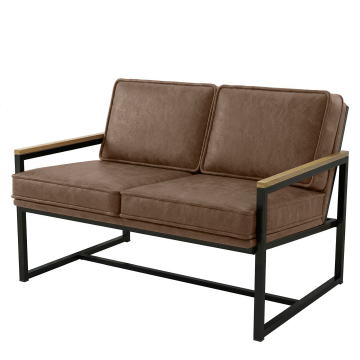
Cognac-coloured covers often match black metal frames, light wooden tops and warmly lit dining areas. Dark brown models, on the other hand, create a calmer background for light walls, stone looks or stronger accent colours. In a window alcove, a brown upholstered bench can create a clearly defined seating area. Along a wall, several elements of equal width can be used to plan a continuous bench zone for couples and smaller groups.
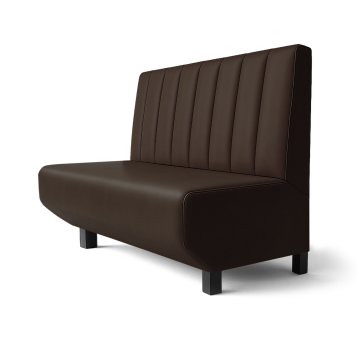
The actual effect depends not only on the colour. A smooth backrest appears more minimalistic than vertical stitching or a striking Chesterfield pattern. Seat height, plinth shape, seam pattern and the visible width of the backrest also determine how compact or representative the bench appears.
Define dimensions and walkways before making a selection
When it comes to brown restaurant benches, planning should start with the available space. What matters is not only how many people can sit on a bench, but whether table distances, legroom and service routes work in day-to-day operations.
A long wall bench can efficiently bundle seating, but requires sufficient space in front of the table. Guests must be able to stand up without chairs at the neighbouring table or staff in the passage to the kitchen being obstructed. With deeply upholstered backrests, it must also be considered that the usable seating area extends further into the room than with a narrow, straight construction.
For changing group sizes, individual bench elements that can be combined with movable tables are suitable. In small dining areas, shorter benches for two-person tables can be more flexible than a continuous solution. For long rows, it should be checked before ordering whether plinths, feet and wall connections fit together and whether the elements can be securely aligned and screwed together.
Upholstery, Padding and Care in Everyday Gastronomy
Brown restaurant benches are regularly subjected to wear and tear in daily operations. Jackets, bags, shoe contact at the base, spilled drinks and frequent wiping put strain on the upholstery, seams and edges. The choice of material should therefore match the actual usage.
Artificial leather can usually be wiped clean quickly and is particularly suitable for establishments with high footfall. However, with deep buttoning or decorative buttons, crumbs and dust can collect more easily. Smooth surfaces are often quicker to clean. Textile covers offer a different feel, but require a tailored stain and cleaning strategy. Compatibility with the cleaning agents used should also be clarified in advance.
Stable substructures, durable joints and resilient edges are also important. When wiping, moisture must not be allowed to penetrate permanently into open joints or unprotected base areas. For zones subject to heavier use, such as near the entrance or along walkways, a particularly robust design is recommended.
Quick Check for Brown Restaurant Benches
- Does the shade of brown match the floor, wall colour, table tops and lighting?
- Do bench length, seat depth and table distance correspond to the room dimensions?
- Is the upholstery suitable for stains, moisture and frequent cleaning?
- Do seat firmness and backrest support the intended duration of stay?
- Can elements, bases and tables be combined safely and flexibly?
Combining Comfort and Cost-Effectiveness Sensibly
Seating comfort should suit the type of establishment. For a quick lunch service, a more upright seating position may be appropriate. In a restaurant alcove for longer evening visits, a well-supporting backrest and balanced padding are more important.
A well-maintained and stable interior influences how guests perceive the quality, cleanliness and value of the establishment. Pleasant seating can help make conversations more relaxed and encourage guests to consider ordering additional drinks or desserts. At the same time, easy-care surfaces, clear walkways and robust constructions support a more efficient workflow. Therefore, not only the purchase price is decisive, but also the effort required for cleaning, repairs and potential replacement.
Harmoniously Combining Brown Restaurant Benches
For a cohesive overall look, benches, tables and additional seating should follow the same design logic. Brown upholstered surfaces can, for example, be combined with dark table bases, warm table tops or understated restaurant chairs. The key factors are matching seat and table heights as well as sufficient legroom.
In bar or lounge areas, brown benches can be combined with similarly designed bar stools, provided that upholstery, shade of brown and frame material are coordinated. Too many different wood colours or shades of brown, on the other hand, can quickly appear restless. It is better to choose a main colour tone and complement it with a few recurring materials.
Select brown restaurant benches to suit your establishment
The right bench combines colour effect, comfort and practical usability. Before making your selection, pay particular attention to dimensions, upholstery, padding style, cleaning requirements and integration into your walkway and table planning. This creates a seating solution that supports your interior design concept and can be used reliably in everyday gastronomy.



















