


 Request an offer











 Weinerpark 16 | 48607 Ochtrup | Germany










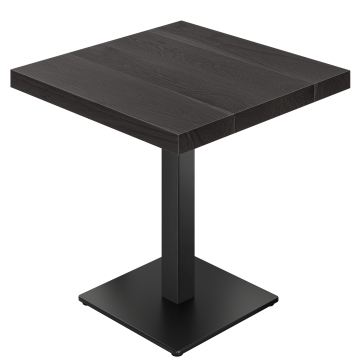
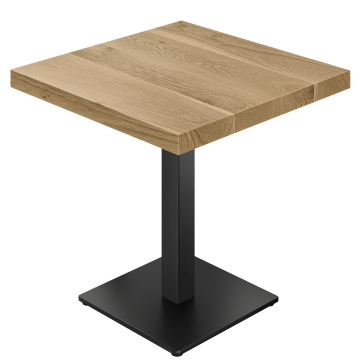
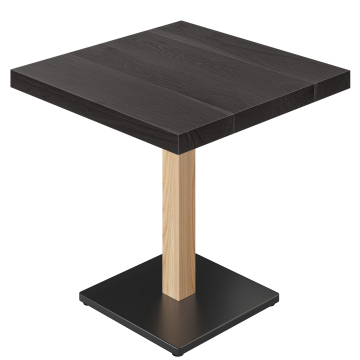


Solid Wood Tables
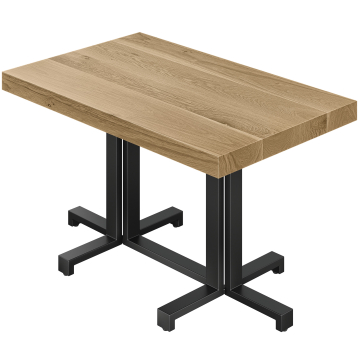
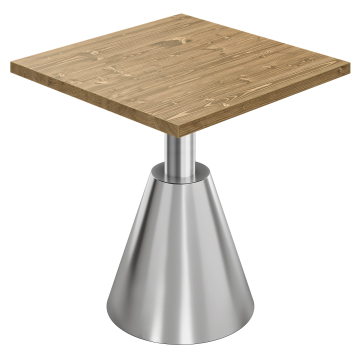
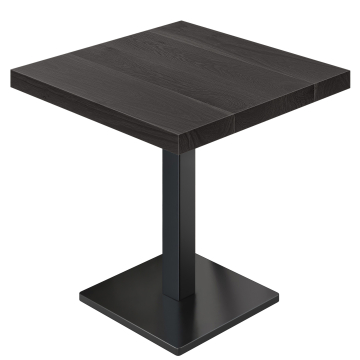
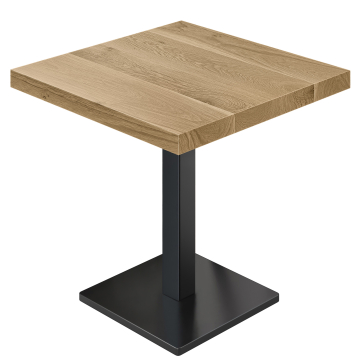
Solid wood tables for the hospitality industry combine natural wood grain with robust table solutions for restaurants, cafés and bars. At GGM Möbel, the relevant category includes solid wood tables in various shapes, sizes and surfaces for individual table concepts.
 Filter
 Grid view
 Product view
 In line
 Masonry View
Solid Wood Tables in the Hospitality Sector
Gastro solid wood tables here refers to table tops made of solid wood or laminated solid wood slats for restaurants, cafés and bars. Unlike melamine or HPL tops, the genuine wood structure remains visible and tangible; grain, colour tone and small natural differences are part of the material's character.
In the dining area, solid wood tables support a warm, artisanal and high-quality effect. Oak appears calm and striking, while walnut or darker wenge looks create more depth. Finger-joint connections, visible slats or a live edge further emphasise the natural character. In window areas, the wood often appears more neutral in daylight, while in booth niches and quieter evening zones under warm light it appears stronger and more homely.
Coordinate Sizes, Shapes and Space Planning Sensibly
For the hospitality sector, not only the appearance but above all the size grid is decisive. Compact round tops of around Ø 60 cm or square formats such as 60 x 60 and 70 x 70 cm are suitable for smaller parties and café areas. Rectangular variants such as 110 x 60 or 120 x 70 cm offer more space for menus, several place settings or small groups.
When planning, chair backs, legroom and service routes should be taken into account. Solid wood tables placed too closely together can restrict walkways; tops that are too large, on the other hand, waste seating space. Those who frequently combine tables for two into groups of four benefit from recurring widths and straight edges. For compact seating arrangements, solid wood tops can be combined with suitable table bases to form clear table rows; in flexible zones, bistro tables can be a sensible addition.
Surface, Care and Areas of Use in Daily Operations
Solid wood tables react more strongly to moisture, heat and aggressive cleaning chemicals than coated tops. Spilled drinks, grease and food residues should therefore be removed promptly. For regular care, the information on the respective sealing is crucial; oiled, lacquered or otherwise treated surfaces may differ in cleaning and maintenance.
Edges and joints also deserve attention, as they are often subjected to stress from crockery, chairs or cleaning trolleys during service. Top thicknesses of about 2.5 to 3.5 cm shape not only the appearance, but also the weight and handling when rearranging. For terraces or outdoor seating, only solid wood models expressly designated for outdoor use should be chosen. Before assembly, the base support, drilling pattern, fastening materials and screw length must match the specific model.
Decision Criteria for Gastro Solid Wood Tables
Four points should be visibly weighed against each other when making a selection. Wood type and finish determine the room effect and maintenance effort. Shape and dimensions must suit occupancy, menu offering and available space. Top thickness and edge shape influence weight, feel and style – from straight edge to live edge. Substructure and assembly determine stability, legroom and suitability for everyday use.
Quick-Check
- Indoor use or expressly approved for outdoor use
- Wood type and colour tone – such as oak, spruce as well as walnut or wenge look – to match the concept
- Round, square or rectangular to suit the typical group size
- Weight and top thickness to suit the frequency of rearrangement
- Check base support and fastening before assembly
Combine Solid Wood Tables with Seating and Zones
Solid wood tables appear particularly harmonious when material contrasts are deliberately set. Black metal bases support a functional industrial look; wooden components reinforce a natural, calmer atmosphere. With wooden & upholstered chairs a consistent material image is created, while upholstered banquette seating in niches can additionally support comfort and acoustic damping.
For operations, a balanced mix is advisable: smaller tables for quick turnover, larger formats for groups and deliberately quieter places for longer stays. This way, the furnishings remain not only visually consistent, but also support different times of day and usage situations.
Perception, Quality of Stay and Economic Impact
A well-maintained, stable solid wood surface can convey quality and trust. When guests experience the table, seating and room as pleasant, this can encourage longer stays, additional orders and repeat visits – especially during evening service or in quieter areas. This can result in a positive operational effect, even though the furnishings alone do not guarantee turnover.
Therefore, the decisive factor is the combination of material effect, suitable dimensions, easy-care surface and stable base. Gastro solid wood tables are particularly sensible when a natural look and genuine materiality are to be a deliberate part of the gastronomy concept and at the same time suit cleaning, use and space planning.



















