


 Request an offer











 Weinerpark 16 | 48607 Ochtrup | Germany













Marble Table Tops
Marble table tops create tables for restaurants, cafés, bars and hotels with a distinctive, high-quality surface effect. Depending on the material and design, they are suitable for different room concepts, maintenance requirements and locations.
 Filter
 Grid view
 Product view
 In line
 Masonry View
Marble Table Tops between Natural Stone and Marble Effect
Marble table tops are separate table surfaces made of natural marble or of materials suitable for gastronomy with a marbled surface. Combined with a matching base frame, they create bistro, restaurant or lounge tables for various usage situations.
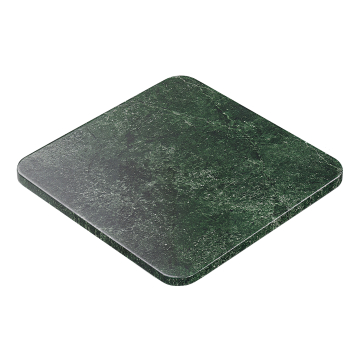
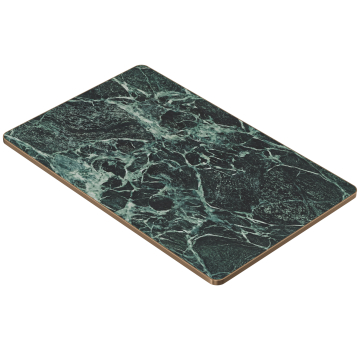
The material designation is crucial for selection. Genuine marble has a natural, not fully repeatable veining and develops its own patina with use. In addition, there are versions made of HPL, sintered stone or glass with a marble appearance. These reproduce the characteristic pattern in a controlled manner and, depending on the model, can be easier to maintain or specifically designated for outdoor use. Black, green or light marble surfaces can be staged differently with black, brass or copper-coloured edges.
Plan Room Effect and Table Shape to Suit the Zone
A light marbling reflects daylight and supports an open, calm room image. Dark marble table tops create stronger contrasts and are particularly suitable near bars and counters, in restaurant areas used in the evening or in clearly designed niches. A striking green top can serve as a targeted accent, but should be coordinated in colour and material code with gastronomy chairs and other surfaces.
Round tops with a diameter of about 60 cm are suitable for compact two-person tables by the window or in small corners. Square formats of 60 x 60, 70 x 70 or 80 x 80 cm can be zoned in a straightforward manner and, at identical heights, are easier to combine into groups. Rectangular variants such as 120 x 70 cm offer more space for complete place settings, breakfast or sharing concepts. The decisive factor remains the free space for chair movement, legroom and service routes; a larger top must not create a bottleneck to the kitchen or bar.
Material and Surface in Everyday Gastronomy
Natural marble requires a consistent care routine. Wine, citrus fruits, vinegar and other acids can cause dull spots, while coffee, oil or strongly coloured foods can leave stains if left for a long time. Spills should therefore be wiped up immediately. For daily cleaning, a soft cloth and a mild cleaner suitable for the specific stone are recommended; acidic or abrasive agents should be avoided.
With high table turnover, marble effects made of HPL, sintered stone or glass can be a more predictable alternative. Nevertheless, the product information for the respective model applies: A top for indoor use is not automatically weatherproof. For terraces and outdoor seating, only expressly approved weatherproof table tops are advisable. Also pay attention to stressed edges. A brass, copper or black edge shapes the effect, but in narrow walkways may come into contact with chairs, serving trolleys or neighbouring tables more frequently.
Decision Criteria and Quick Check
Four criteria should be clearly defined before ordering: Firstly, the type of material and location, i.e. natural marble, HPL, sintered stone or glass as well as suitability for indoor or outdoor use. Secondly, shape and dimensions to match the number of guests, amount of crockery and zoning. Thirdly, thickness of the top, weight and edge construction. Fourthly, compatibility with the intended table bases.
Quick Check for Marble Table Tops
- Include the actual top dimensions rather than just the nominal size in the layout plan
- Define the material's acid sensitivity and cleaning routine
- Check mounting surface, screw points and permissible top size
- Assess edge colour in both daylight and evening light
- Test assembly for stability, legroom and passageways
During assembly, the size of the base, footprint and type of fixing must match the top. Screws are not supplied with every version; length and type must not damage the surface nor be too short. Larger or heavier tops require a sufficiently dimensioned substructure. Adjustable glides help to compensate for uneven floors.
Combination and Economic Impact
Marble table tops have the greatest effect when material, lighting and furnishings create a cohesive impression. Round tops can be combined with lightweight bistro chairs, while larger rectangular formats suit upholstered seating or restaurant benches in zones intended for longer stays. Ready-matched bistro tables are an alternative if top and base are not to be planned separately.
A well-maintained, stable table surface supports the perception of cleanliness and quality. If guests feel comfortable in the space, they are more likely to stay longer, order again or revisit the establishment; however, this does not automatically lead to higher turnover. The interplay with the offering, service, acoustics, lighting and time of day is decisive.
Therefore, do not choose marble table tops solely based on the grain. Only the right combination of material, format, location, care and substructure makes the top a lasting and sensible choice for daily catering operations.



















