


 Request an offer











 Weinerpark 16 | 48607 Ochtrup | Germany









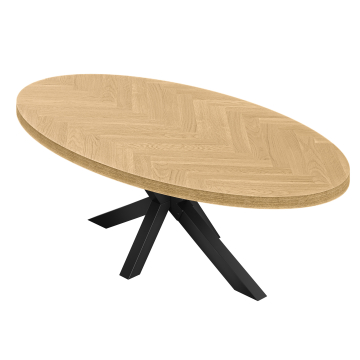

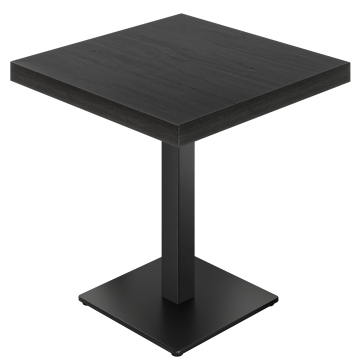
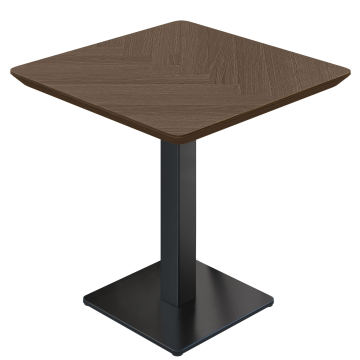

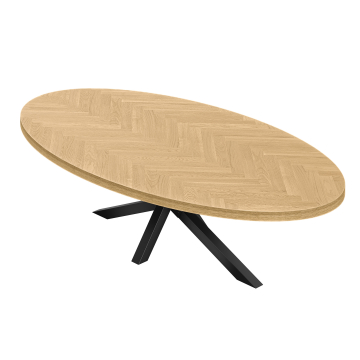
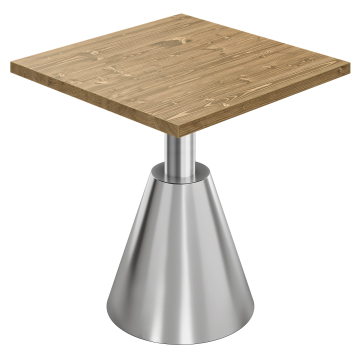
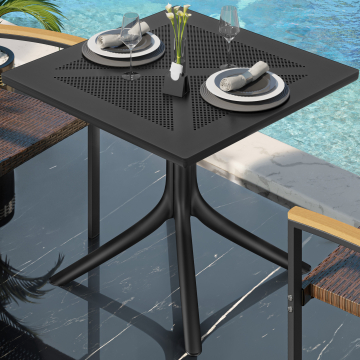


Design gastro tables
Design gastro tables combine a deliberately crafted form and material effect with the functional requirements of professional catering businesses. Different formats, surfaces and frames allow for customisation to restaurants, cafés, bars and other dining areas.
 Filter
 Grid view
 Product view
 In line
 Masonry View
Designer restaurant tables as a creative and functional element
Designer restaurant tables are gastronomy tables in which table shape, surface, edge profile and frame are deliberately coordinated to support a clear spatial concept. They combine a distinctive appearance with the demands of daily restaurant, café or bar operations.
Depending on the concept, round, square or rectangular formats can be used. Oak and walnut looks appear warm and homely, while marble or stone patterns are clearer and more urban. Live edges and striking tabletop thicknesses deliberately set visible accents, while slender frames support a calmer effect. Especially in window areas, central seating groups or quieter niches, a characterful table can make the zoning concept visible without overloading the space with additional decorative elements.
Planning proportions, walkways and seating correctly
With designer restaurant tables, the appearance should always be considered together with the space planning. Compact formats such as 70 x 70 cm are suitable for smaller two-person areas and can be grouped more easily if required. Rectangular models around 120 x 70 cm offer more space for food and drinks, but also require correspondingly larger movement zones.
Not only external dimensions are decisive, but also the position of the frame. A central column can create more legroom at the sides, while wide base plates or distinctive spider and cross frames can encroach more on the leg area. When pulling out chairs, serving, and in passageways, sufficient distances must therefore be maintained. For flexible occupancy, it makes sense to choose table sizes so that individual two-person tables can be combined for groups without blocking service routes.
Materials, surfaces and daily wear
In everyday gastronomy, design is created above all through visible and tangible surfaces. The range includes, among others, melamine, HPL, real wood veneer, solid wood as well as marble, concrete, terrazzo and wood decors. For interiors, veneer or solid wood surfaces can create a warm material effect; with frequent cleaning, stain resistance, edge stability and an easy-to-wipe surface are also important.
For outdoor areas, only materials designated for this purpose, such as suitable HPL-Compact or other weather-resistant versions, should be chosen. Moisture, UV exposure and temperature fluctuations place different demands than purely indoor use. If tabletop and base are assembled separately, attention should be paid to suitable tabletop size, weight, fixing and footprint for gastro tabletops and table bases. Individual tabletops are supplied without pre-drilled holes; assembly must therefore match the chosen construction.
Important selection criteria for designer restaurant tables
There are four main points to consider when choosing: Firstly, the shape should match the room geometry – round for softer movement, square for grid-like planning, and rectangular for clearly structured rows or groups. Secondly, the surface must suit the pace of use: high-traffic areas require easy-care, robust surfaces. Thirdly, the edge shape should match the style and level of use; live edge, straight edge or Swiss edge each create a different effect. Fourthly, the frame must match the tabletop both aesthetically and functionally, so that stability and legroom are not subordinated to design.
Quick-Check
- Adapt table format to typical group size and food offering
- Match surface to wiping frequency, stains and edge stress
- Check frame shape with chair positions and legroom
- Clearly define whether the material is suitable for indoor or outdoor use
- Consider colour and material effect under daylight and evening light
Design, guest experience and economic impact
A harmonious table design influences how orderly, well-kept and high-quality a dining area is perceived. When table surfaces, gastronomy chairs and, if applicable, banquette seating match, a more consistent overall impression is created. Comfort, sufficient space and a pleasant atmosphere can contribute to guests staying longer, ordering more, and returning to the establishment.
The economic connection is therefore indirect but relevant: stable and easy-care furniture supports daily operations, suitable design enhances perception, and a pleasant place can encourage positive guest behaviour. The extent to which this affects receipts, length of stay or repeat visits always depends on the overall concept, service, offering and time-of-day mix.
Combining design gastro tables effectively
A design gastro table works best as part of a coordinated interior concept. Recurring materials or colours in chairs, benches and frames create calm; targeted contrasts, on the other hand, can highlight individual zones. The design should not come at the expense of maintenance, stability or freedom of movement.
For restaurants, cafés and bars, it is worthwhile to plan table shape, surface, frame and seating together. This creates an interior that appears visually clear and at the same time meets the requirements of daily gastronomy operations.



















