


 Request an offer











 Weinerpark 16 | 48607 Ochtrup | Germany









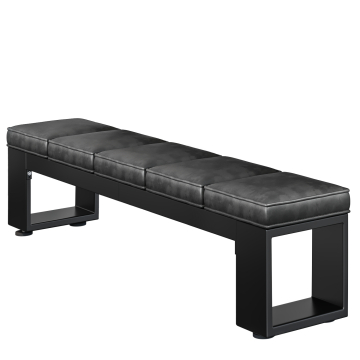

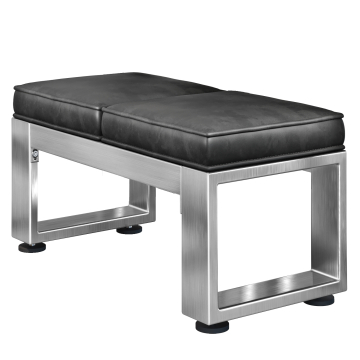


Bench without Backrest for the Hospitality Industry
A bench without a backrest is suitable for flexible seating arrangements in restaurants, cafés and other commercial areas. Thanks to its open design, it can be used in a space-saving way at tables, in waiting areas or as an additional seating option.
 Filter
 GGM ansicht
 Grid view
 Product view
 In line
 Masonry View
Bench without Backrest: Open Design for Flexible Room Concepts
A bench without a backrest is an elongated seating option without a back support, which, depending on its width, offers space for several people. It is mainly used where a low construction height, unobstructed sight lines and flexible use are more important than pronounced back support.
In the dining area, the minimalist design appears less space-consuming than a high bench with a backrest. This is advantageous, for example, in a window area if the view outside is to be preserved. Also, at large communal tables or in open café areas, a backless bench can quietly and straightforwardly complement the room concept.
Since guests can approach the seat from several sides, the bench is also suitable for changing table arrangements. For smaller groups, it stands lengthwise at the table, while at events or during peak times it can be repositioned as additional seating.
Correctly Planning Size, Seat Height and Table Distance
A bench without a backrest should not be selected solely based on its overall width. What is crucial is how many people can actually sit comfortably and whether the bench harmonises with the tabletop, table frame and walkways.
The key criteria are:
- appropriate seat height for the existing table height
- sufficient seat width per person
- enough legroom in front of crossbars and table legs
- clear passageways for guests and service
- suitable seat depth for the planned length of stay
Especially with tables featuring a central column base or table legs positioned far outwards, it should be checked whether the bench can be pushed close enough to the table edge. A position that is too deep makes it difficult to stand up, while too little distance restricts legroom.
In passageways to the kitchen or near service stations, the bench must not protrude into the walkway. As there is no backrest, pushing back a chair is not necessary, but there must still be sufficient space for movement behind the seat edge.
Materials for Frequent Use and Cleaning
In the day-to-day operations of the hospitality industry, the surface, edges and substructure are just as important as the visual impact. Upholstered models offer greater seating comfort, but should have robust, preferably easy-to-clean covers. In areas with coffee, sauces or drinks, wipeable surfaces and neatly finished seams are particularly relevant.
Wood and wood-look finishes convey a warm, natural effect. Attention should be paid to sealed surfaces and resilient edges, as moisture often remains after wiping. Metal frames suit modern and industrial interiors, but must be stable and designed to withstand typical impacts from shoes, cleaning equipment or table movements.
During assembly, it should be checked whether the seat and frame are permanently and securely screwed together and suitable for the intended load. Adjustable or floor-protecting glides can help to compensate for minor unevenness and reduce noise when rearranging.
Quick-Check for Selection
Before ordering, the bench should be assessed based on a few points:
- Does its length match the tabletop and the usual group size?
- Is the seat height compatible with the existing restaurant tables?
- Are service routes and access points kept clear?
- Does the material suit daily cleaning routines?
- Is use without a backrest sensible for the planned duration of stay?
Realistically Assess Comfort and Duration of Stay
A bench without a backrest supports an upright, flexible sitting posture, but offers no back support. It is therefore particularly suitable for shorter to medium stays, such as during lunch service, in waiting areas or at communal tables.
For longer evening stays, an upholstered version can improve comfort. Nevertheless, the dining area should not be equipped exclusively with backless seating. A balanced mix with restaurant benches or restaurant chairs creates different seating qualities for various guests and times of day.
Perception, Use and Operational Effect
A stable, well-maintained bench supports the impression of a well-organised dining area. When dimensions, materials and table arrangement are chosen appropriately, guests can take their seats more easily and staff can reach tables without unnecessary detours.
These factors can influence behaviour in the room. Comfortable distances facilitate conversation, clear walkways support smooth service, and easy-care surfaces help keep the dining area tidy even at high frequency. Depending on the concept, this can positively influence the quality of stay, willingness to place further orders and the likelihood of return visits, although the bench alone does not determine this.
Bench without Backrest: Harmoniously Combined
For a cohesive overall look, bench, table and other furnishings should share materials or colour tones. A bench with a black metal frame, for example, can be combined with matching table bases, while wooden surfaces harmonise with tabletops in the same colour range.
In mixed seating groups, the bench can be placed on one side of the table and complemented by individual [stools] or chairs. This keeps the arrangement flexible without making the dining area appear inconsistent. It is crucial that seat height, edge profile and frame shape functionally match.
A bench without a backrest is particularly useful when an open spatial effect, flexible placement and compact design are required. With suitable dimensions, durable materials and a realistic assessment of the expected length of stay, it becomes a versatile element of gastronomic seating planning.



















