


 Request an offer











 Weinerpark 16 | 48607 Ochtrup | Germany









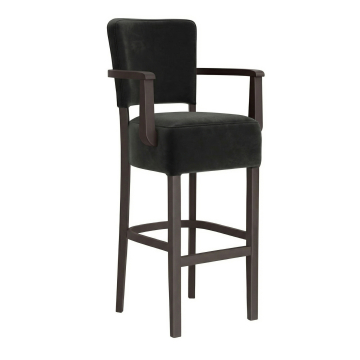
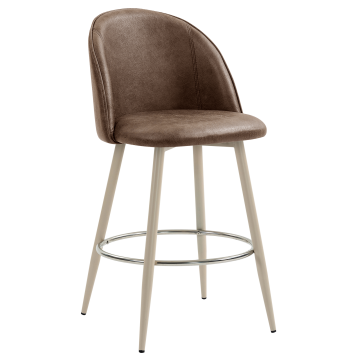
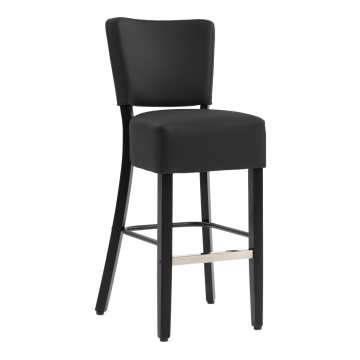
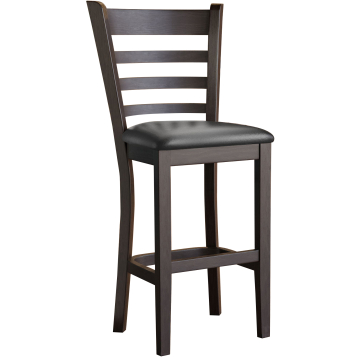


Gastro bar stools
Gastro bar stools create elevated seating at counters and high tables in bars, cafés, restaurants and hotels. Depending on the area of use, models with or without backrests as well as different materials and seat surfaces are available.
 Filter
 Grid view
 Product view
 In line
 Masonry View
Gastro bar stools for counters and high tables
Gastro bar stools are elevated seating furniture for counters and high tables in everyday gastronomy. They differ from low stools mainly in their seat height and the appropriate foot position. At GGM Möbel, you can choose from models made of wood, metal, and with upholstery, as well as variants with and without backrests.
A row of slim metal stools gives a lively bar a clear, functional line. Upholstered models with backrests create a calmer impression at a hotel bar and are more suitable for longer conversations. The duration of stay matters: a quick coffee by the window has different requirements than several drinks in the evening.
Plan seat height, space for movement and service routes
The first selection criterion is the height ratio between the seat surface and the counter. Check the specific seat height in the product details and test whether knees and thighs fit under the tabletop. An easily accessible footrest provides relief when sitting at height; its position must match the model.
Secondly, the footprint including movement when sitting down and standing up is important. A narrow stool without a backrest usually requires less space than a wide bar chair with armrests. Set up samples and walk past with a tray. This way, bottlenecks at the bar entrance, on the way to the kitchen and in passageways become apparent early on. There must be space between adjacent stools for elbows and for getting in and out sideways.
Match material and surface to usage
The third criterion is maintenance in the respective area. Wood brings warmth to the counter; metal supports a functional or industrial design. Smooth seat surfaces can usually be wiped down more quickly after spilled drinks than textured covers. For upholstered bar stools you should check the material and care instructions to see if they suit the risk of stains, frequency of wiping and the cleaning agents used. Seams, seat edges and footrests are areas where signs of use become visible.
For outdoor seating, specifically choose terrace bar stools and check the declared suitability for moisture, sun and the planned storage. An upholstered model intended for indoor use should not be placed on an unprotected terrace without the appropriate approval. For stools delivered disassembled, check the assembly of the footrest and frame connections according to the instructions before use; with frequent use, these connections should be checked regularly in operation.
Backrest, stability and load capacity
Fourthly, the backrest and seat shape determine the type of seating. A backrest and a padded, sufficiently deep seat can make longer sitting more comfortable. Backless wooden bar stools often appear more discreet at narrow counters and can be pushed more easily under a free counter edge. Armrests provide additional support, but require more space at the sides and must fit under the respective table edge.
Fifthly, stability and load capacity must be checked: four-legged frames, pedestal bases, gliders and footrests differ depending on the model. Observe the specified load-bearing capacity and test the stability on your floor. A model that is frequently moved should also be easy to grip and carry; stackability should only be considered if it is specified for the particular product.
Quick check for ordering
- Check counter height and seat height together using a sample
- Mark free space for knees, footrest and side entry
- Select backrest and upholstery according to planned duration of stay
- Match the specific model's suitability for indoor or outdoor use
- Read up on load capacity, assembly instructions and care requirements
Bar seating in the overall economic concept
Gastro bar stools can turn counters into usable spaces for an aperitif, a quick lunch snack or a longer evening visit. The key factor is occupancy, where guests sit comfortably and service can pass by. Stable, well-maintained and room-appropriate furnishings support the perception of the establishment. If guests feel comfortable, they may stay longer, order another drink and are more likely to return. This can have a positive operational effect; it also depends on the offering, service and time of day.
Combine with the room concept
Matching standing tables extend the elevated seating position beyond the actual bar. Carefully coordinate table height, stool height and legroom just as you would at the counter. Recurrent wood tones or metal surfaces visually connect both zones, while upholstery colours can mark a quieter area.
First, choose the locations and test a sample at each under real conditions. This allows you to see which version sensibly complements the guest area and remains easy to handle in daily operations.



















