


 Request an offer











 Weinerpark 16 | 48607 Ochtrup | Germany









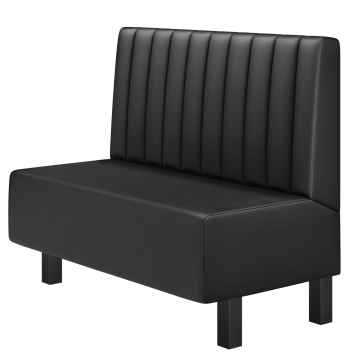
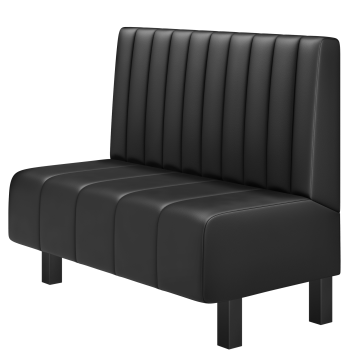
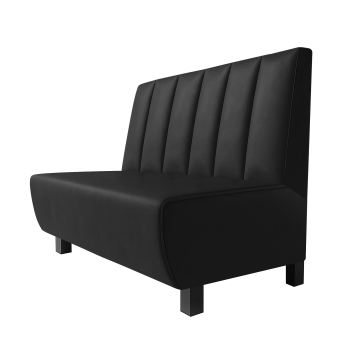
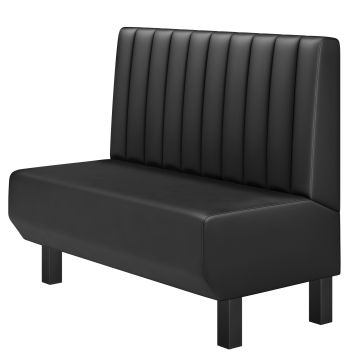


Leather restaurant benches for the hospitality industry
Leather restaurant benches create comfortable seating along walls, in alcoves and in clearly defined restaurant areas. Various widths, colours and upholsteries allow for targeted coordination with room concept, table system and duration of use.
 Filter
 GGM ansicht
 Grid view
 Product view
 In line
 Masonry View
Leather restaurant benches shape the atmosphere and seating comfort
Leather restaurant benches are upholstered benches for commercially used hospitality spaces, whose cover consists of leather, faux leather or a designated leather look. They are usually placed against walls, in alcoves or as a continuous row of seating and are matched to the height of restaurant tables.
A smooth surface in black or anthracite supports a clear, modern interior. Cognac, brown and taupe tones create a warmer effect and combine well with wooden surfaces. Quilting, double stitching or a Chesterfield backrest set more distinctive design accents. This allows operators to specifically adapt the bench to the concept of their restaurant, café or bar.
Leather restaurant benches are particularly useful in window areas, where the wall space should be used continuously, or in sheltered alcoves for longer stays in the evening. In heavily frequented passageways, protruding edges and large seat depths should be avoided.
Planning leather restaurant benches with suitable dimensions
The width of a restaurant bench does not alone determine how many guests can sit comfortably. Equally important are seat height, seat depth, backrest height and the position of the table bases. A deep, softly upholstered bench is more suitable for longer stays. For a quick lunch service, a somewhat more upright seating position is often more practical.
There must be sufficient space between the table edge and the backrest for guests to get in. At the same time, the table must not be so far away that guests have to slide forward. For long bench rows, several smaller restaurant tables are helpful, as they can be more easily adapted to couples, families or changing group sizes.
Service routes must also remain clear. Chairs on the opposite side of the table are moved backwards when standing up. This additional space requirement should be taken into account when planning the passageway. In areas near the kitchen, counter or service station, clear walkways are more important than an additional seat.
Material, Upholstery and Care in Daily Operations
Whether genuine leather or artificial leather is more suitable depends on usage, cleaning routine and the desired surface. Genuine leather has a natural structure and requires care tailored to it. Artificial leather can, depending on the version, be wipeable and resistant, but should also only be treated with approved cleaning agents.
In everyday gastronomy, drinks, food residues, moisture and frequent wiping come into contact with the cover, seams and base. Smooth surfaces can usually be cleaned more quickly than deep button tufting. With double seams, striped quilting or Chesterfield upholstery, recesses and transitions should therefore be included in the cleaning plan.
This quick check is worthwhile before making a selection:
- Does the seat height fit the existing table system?
- Is the seat depth suitable for the planned length of stay?
- Does the cover tolerate the cleaning chemicals used?
- Are passageways and service routes still sufficiently wide?
- Can bench elements be added or replaced later?
For modular elements, the substructure, connection points and wall distance must fit together. Screws should be tight without putting strain on the cover or load-bearing components. Uneven floors can be compensated for, depending on the construction, by suitable adjustable feet or a neatly aligned base.
Stable Seating Supports a Well-Maintained Overall Impression
A leather restaurant bench does not stand alone. Guests perceive stability, cleanliness, legroom, light and noise levels at the same time. Firm upholstery, a calm surface and a harmonious ratio between bench, table and restaurant chairs can support the perceived value of the dining area.
Comfortable niches can be suitable for longer evening visits, desserts or additional drink orders. At lunchtime, a more upright bench with smaller tables can facilitate quicker use. Which effect is economically sensible therefore depends on the time of day, target group and business concept. What matters is not the maximum possible seating, but a use of space that leaves guests and service staff with sufficient room to move.
Combining Leather Restaurant Benches Harmoniously
For a cohesive interior concept, cover, table top, frame and floor should be coordinated. Cognac-coloured leather, for example, harmonises with warm wood decors and dark metal frames. Black smooth covers can be contrasted with light table tops. Strongly quilted backrests usually require fewer additional patterns in the immediate surroundings.
Opposite the bench, movable restaurant chairs offer flexibility for changing groups. At raised tables, only correspondingly high bench models with suitable footrests should be used; normal leather restaurant benches are not designed for this purpose.
A suitable leather restaurant bench combines material effect, seating comfort and operational requirements. Those who consider dimensions, cleaning effort, walkways and duration of use together create a seating solution that fits seamlessly into everyday gastronomy and the existing room concept.



















