


 Request an offer











 Weinerpark 16 | 48607 Ochtrup | Germany









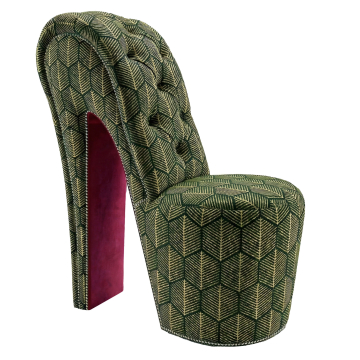

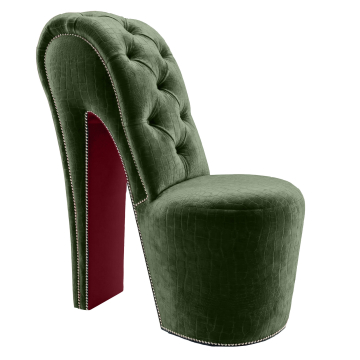

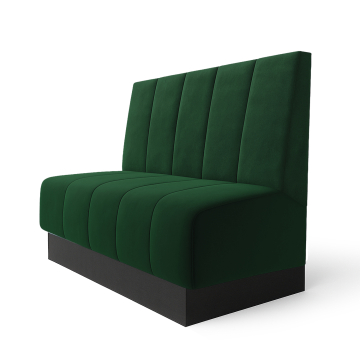

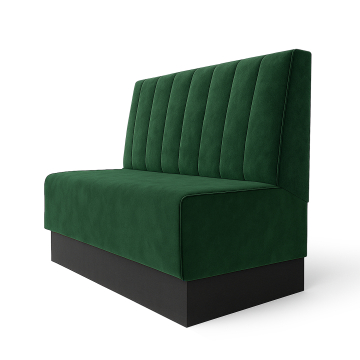


Green restaurant benches for restaurants, cafés and bars
Green restaurant benches create comfortable seating and set a clear colour accent in professionally furnished guest areas. Choose suitable models according to shade of green, cover, width and upholstery for your gastronomy concept.
 Filter
 GGM ansicht
 Grid view
 Product view
 In line
 Masonry View
Integrate green restaurant benches purposefully into the room concept
Green restaurant benches are upholstered benches for commercial use in restaurants, cafés, bars and hotels. Depending on the shade and design, they are suitable as a calm wall solution, as a striking accent in a niche or as a continuous seating area for several guests.
Dark green covers look particularly harmonious next to dark wood, black table frames or warm metal accents. Olive green variants can be easily combined with light wood surfaces, beige and natural tones. Velvet creates a softer, more light-dependent surface, while smooth faux leather appears clearer and can often be wiped clean more quickly.
In a window area, green restaurant benches can create a visual connection to plants and natural materials. In a quieter restaurant niche, high or upholstered backrests provide a stronger separation from the rest of the dining area. The colour should not be chosen in isolation: wall design, flooring, light temperature and existing restaurant tables influence how bright, rich or restrained a shade of green appears.
Plan dimensions, walkways and seating comfort correctly
Before making a selection, bench width, seat depth, seat height and backrest should be matched to the intended use. A 100 centimetre wide bench, for example, may be suitable for two compact seats, while longer elements can accommodate more people or be used as a continuous wall bench. The decisive factor remains the actual installation dimension including table and movement area.
There must be enough space between the table edge and the seat surface for comfortable entry and sufficient legroom. At the same time, pulled-out chairs on the opposite side of the table must not protrude into service routes. Especially in passages to the kitchen, at service stations or next to heavily frequented walkways, bench elements should not protrude too far into the room.
For changing group sizes, a combination of fixed bench side and flexible restaurant chairs is often recommended. This allows smaller tables to be used for couples and, if necessary, combined into larger table groups without having to change the bench arrangement.
Align upholstery and workmanship with everyday business operations
With green restaurant benches, it is not only the shade of colour that is decisive. The upholstery must suit the cleaning schedule, menu and typical level of use. In a café with coffee, cake and daytime business, different demands arise compared to a bar with dark drinks, ice cubes and frequent changes of seating.
Velvet and fabric covers can support a homely, textured surface and a sound-absorbing effect. Faux leather is often seamless and wipeable in many versions. However, the specific care instructions are always decisive. In particular, seams, button tufting, lower edges and transitions to the plinth should be checked for moisture, crumbs and frequent wiping.
Smooth backrests are usually easier to clean than heavily quilted surfaces. Chesterfield patterns, vertical quilting or double-stitch details, on the other hand, set a distinctly visible design accent. During assembly, care should be taken to ensure that feet, plinth or connecting elements are suitable for the intended floor and that all screws are easily accessible.
Quick check for selecting green restaurant benches
- Assess the shade of green under real midday and evening lighting
- Measure bench width, seat depth and required table distances
- Select upholstery according to risk of staining and cleaning agents
- Determine backrest according to desired length of stay
- Check plinth, feet and connecting points for stability
Consider quality of stay and cost-effectiveness together
A well-maintained, stable and colour-coordinated bench solution influences how guests perceive a room. Comfortable seating surfaces and a sufficiently supportive backrest can encourage longer stays in the evening. In establishments with a fast lunchtime turnover, however, seating position, table distance and accessibility should be planned so that guests can take a seat easily and service can work efficiently.
Green upholstered surfaces can also visually balance out hard materials such as glass, stone or metal and help to dampen noise. This does not replace complete acoustic planning, but can be part of a more pleasant room concept. If preferred seating areas are created in alcoves or by the window, this can increase the perceived value of the dining area and the attractiveness of certain zones.
In addition to the effect, cleaning time, reparability and options for repurchasing are also economically relevant. A low purchase price alone is of little significance if covers wear out quickly or individual components cannot be replaced.
Combine green restaurant benches harmoniously
A cohesive overall impression is created when the shade of green, table top, frame and other seating furniture are coordinated. With a striking emerald green bench, understated tables and neutral chairs often create a calmer effect. Subdued olive green models, on the other hand, can handle stronger wood textures or black metal frames.
Matching upholstered chairs can pick up the colour tone, but do not necessarily have to repeat it completely. In bar areas, individual green bench seats can be combined with discreet bar stools , provided that seat height and use remain clearly separated.
Green restaurant benches are therefore suitable for both compact wall areas and larger, continuous seating groups. A good selection takes into account colour and style as well as walkways, maintenance, seating comfort and long-term use in the establishment.



















