


 Request an offer











 Weinerpark 16 | 48607 Ochtrup | Germany









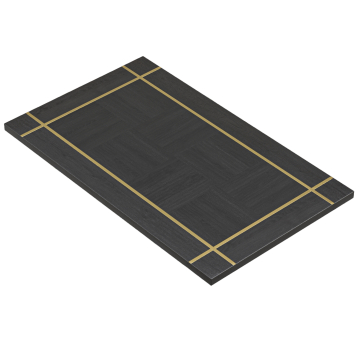

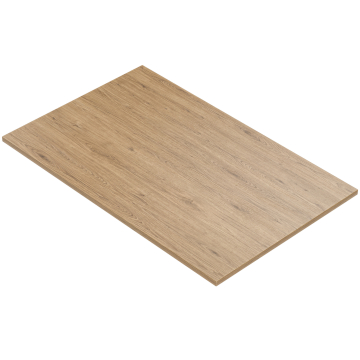
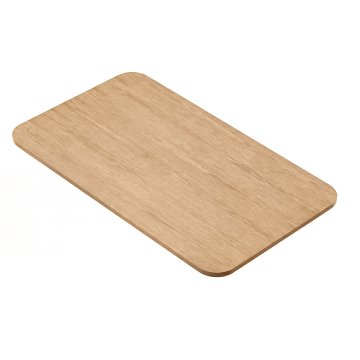
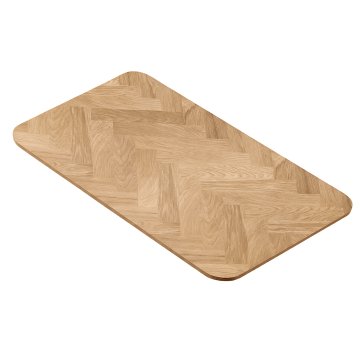
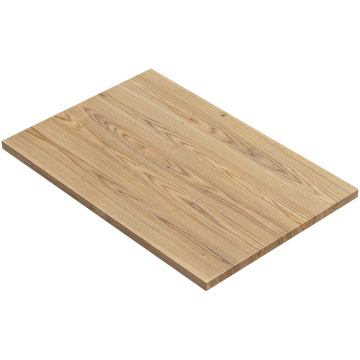
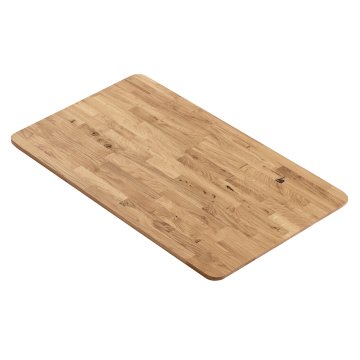
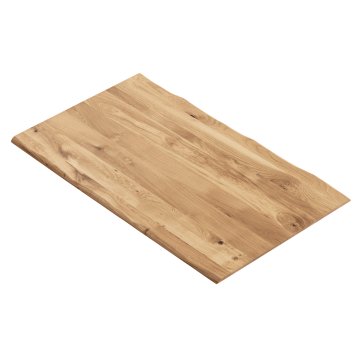


Rectangular Table Tops
Rectangular table tops create well-usable table surfaces for restaurants, cafés, bars, and hotels. Different sizes, materials, and decors support compact two-seaters as well as larger group and terrace setups.
 Filter
 Grid view
 Product view
 In line
 Masonry View
Rectangular Table Tops as Functional Gastro Base
Rectangular table tops are elongated, four-sided table surfaces with two longer and two shorter sides, which are mounted on a suitable table frame. In the hospitality sector, they create a well-usable surface for placing and serving menus, drinks, crockery, and shared orders.
Their clear geometry supports straightforward, orderly spatial concepts. Along window fronts, wall zones, or in longer guest rooms, rectangular tops can be aligned flush and arranged into calm table rows. Formats such as 110 × 60 cm or 120 × 70 cm are suitable for compact table groups depending on seating, while larger tops, for example 130 × 80 cm, 160 × 90 cm or 230 × 110 cm, offer more space for groups, menus with many components, or shared serving.
Plan Formats for Zoning and Service Routes
The elongated shape facilitates clear zoning, but requires a realistic consideration of table width, chair backs, and walkways. A narrow top can make sense in areas with fast rotation, provided the crockery and order volume match. Wider versions offer more service area, but require more space between the table edge, seat, and walkway.
Rectangular table tops can be used individually for couples or connected into group formations. The ends, table legs, and frame feet should be arranged so that guests retain sufficient legroom. Near the kitchen, pass, or service station, it should also be checked whether pushed-back Gastro chairs narrow the main route. A trial setup with real chairs usually shows more quickly than a floor plan whether service, clearing, and flexible rearrangement work.
Material, Edge and Surface in Daily Operations
When choosing the material, not only the appearance counts. Melamine and HPL-coated table tops are interesting for frequent wiping and a predictable maintenance effort. HPL-Compact versions may be suitable for outdoor use, provided the specific product approval matches the location, humidity, and sunlight. Solid wood, live edge or wood veneer create a warmer, more natural effect, but require sealing and care appropriate to their use.
The long outer edges and corners are particularly stressed. Everyday use causes impacts from chairs, serving trolleys, or when combining several tables. Edge profile, material thickness, and surface structure should therefore match stains, heat, cleaning chemicals, and frequency of use. Matt decors can reduce reflections under direct light; structured surfaces should still be cleanable without hard-to-reach recesses.
For assembly, the chosen frame must match the length, width, thickness, and weight of the top. Larger rectangular formats often require two support points or a suitable double frame. For some GGM versions, tops are supplied without pre-drilling or mounting screws. Therefore, before ordering, check the maximum top size of the table frame, the position of the mount, and the required assembly material.
Decision Criteria for Rectangular Table Tops
Four criteria make the selection reliable. Firstly, the dimensions determine how many place settings and serving pieces can fit without unnecessarily occupying space. Secondly, the material must clearly suit either indoor or outdoor use. Thirdly, the edge shape and thickness of the top influence both the spatial effect and the durability at heavily used areas. Fourthly, compatibility with the base determines stability, legroom, and secure assembly.
Quick Check
- Select the format according to typical group size and order volume
- Check the end faces for usable seating and free knee space
- Match the surface to stains, moisture, and cleaning routine
- Compare frame clearance, support points, and mounting materials
- Plan outdoor models only for their designated area of use
Overall Impression and Economic Use
Rectangular table tops appear particularly harmonious when the decor, edge, and base are coordinated with the other furniture. Wood looks can be combined with understated metal frames and matching banquette seating to create warm, clearly structured zones. HPL, stone, or marble decors tend to support more functional, modern room concepts and can complement a maintenance-oriented material mix in high-traffic areas.
A stable, clean, and business-appropriate table surface is perceived by guests as part of the overall quality experience. It can promote comfortable seating, clear serving, and calm use. This can lead to longer stays, additional orders, or repeat visits if the offering, service, and atmosphere are also convincing; at the same time, robust edges and easy-care surfaces can limit cleaning and replacement effort.
Rectangular table tops are particularly useful when clear room lines, well-usable service areas, and flexible group sizes are required. The key is to coordinate format, material, location, and frame. This creates a table system that not only fits visually, but also functions reliably in daily operations.



















