


 Request an offer











 Weinerpark 16 | 48607 Ochtrup | Germany









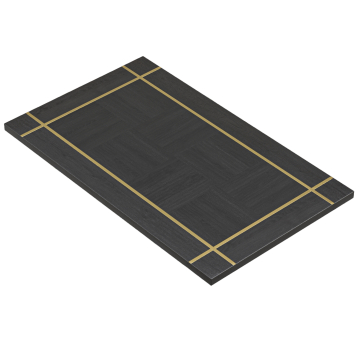

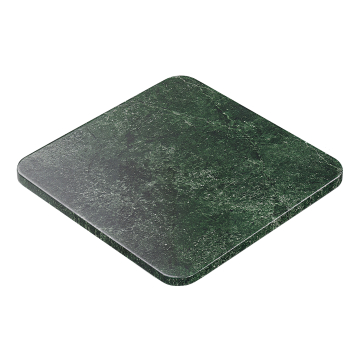
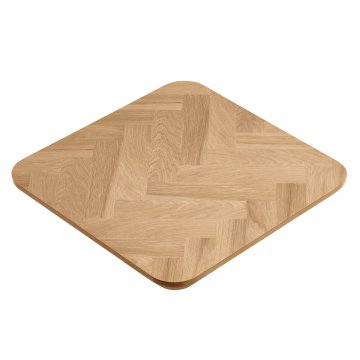

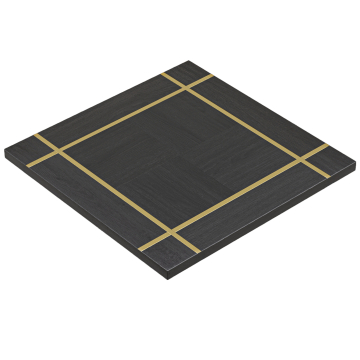


Bistro-café table tops
Bistro-café table tops provide flexible table solutions for cafés, bistros, bakeries and smaller restaurant areas. Depending on shape, material and place of use, they can be tailored to short stays, longer café visits or variable table groups.
 Filter
 Grid view
 Product view
 In line
 Masonry View
Bistro café table tops clearly categorised
Bistro café table tops are compact table surfaces for cafés, bistros, bakeries and smaller restaurant areas. They are combined with a suitable frame to create complete tables and are designed for frequent use, short cleaning intervals and flexible table groupings.
Typical are round tops with a diameter of around 60 cm, square formats such as 60 x 60 or 70 x 70 cm, as well as rectangular variants around 120 x 70 cm. Round shapes support a soft, communicative spatial effect and are suitable for window seats or small niches. Square tops can be placed straight against walls or pushed together to form larger groups. Rectangular formats offer more space for breakfast, coffee and cake or full place settings.
Plan spatial effect and space requirements in the café
In a bistro or café, table tops significantly shape the rhythm of the room. Light wood decors make compact areas appear more open, while dark wenge, marble or anthracite looks create stronger contrasts. In areas with fast turnover, small two-person tables are sensible, as they can be combined into groups of four if required. For longer stays by the window, the top may be somewhat more generous, provided chair backs and walkways remain clear.
Plan not only the width of the tops, but also the movement space around the table. Guests must be able to stand up without blocking the service route. In tightly furnished areas, round or 60 x 60 cm tops are often easier to place; 70 x 70 cm provides more space for crockery. A uniform grid makes later rearrangements and combination with suitable catering chairs easier.
Select material and surface for everyday business use
The choice of material depends primarily on the location. Melamine-coated bistro tops and oak veneer are particularly suitable for indoor use. Solid wood supports a warm, handcrafted effect, but requires appropriate care. HPL-Compact, CDF, polywood or explicitly designated outdoor tops are the more appropriate choice for terraces and outdoor seating areas. Suitability for moisture, UV exposure and temperature fluctuations must always be checked for the specific model.
In daily operations, smooth, easily accessible surfaces, resilient edges and a surface that can withstand frequent wiping are important. Stains, coffee rings, sugar, grease and spilled drinks should be removed promptly. Mild cleaning agents and soft cloths protect many coatings; aggressive or abrasive agents can damage surfaces and decors. Edges with black, stainless steel or chrome look set design accents, but are also particularly susceptible to impact.
Four criteria for a safe selection
Shape and proportion determine zoning and group size. Round 60-cm tops suit small seating groups, square 70-cm formats offer more usable space, and 120 x 70 cm supports two opposite place settings with additional room.
Material and location must match. Indoor tops should not automatically be used outdoors; dedicated outdoor table tops are available for terraces and outdoor seating areas.
Top thickness and weight influence appearance, handling, and choice of base. Thin tops appear light, while thicker versions of about 2.5 to 5 cm are more prominent. The larger and heavier the top, the more important a sufficiently dimensioned substructure becomes.
Surface and edge determine maintenance effort and visible ageing. Check decor, texture, edge finish, and sensitivity to impacts, moisture, and cleaning chemicals.
Quick check for bistro-café table tops
- Adapt format to typical order and number of guests
- Check indoor or outdoor suitability of the specific model
- Match base size, mounting surface, and screw points
- Test legroom and chair backs in a trial setup
- Incorporate cleaning and care instructions into operational routines
Assembly, combination and economic impact
A table top only works together with a stable base. Before ordering, mounting surface, fastening options, permissible top size and weight must be matched with the intended table bases. Fastening material is not supplied with every top; screws must match the top material in length and type. Adjustable glides on the base help compensate for unevenness and prevent wobbling.
For a cohesive overall look, bistro-café table tops can be combined with bistro tables, chairs and terrace components of the same colour and material logic. Repeating decors create calm, while deliberate changes between round and square tops can mark zones.
Well-maintained, stable tables that match the concept support the perception of quality. If guests feel comfortable in the space and the table surface remains tidy even at high frequency, this can positively influence length of stay, repeat orders and return visits. However, the operational effect always depends on the interplay of offering, service, layout and time of day.
Bistro-café table tops should therefore not be selected based on decor alone. What matters is whether format, material, base and maintenance requirements together suit the actual use in the business.



















