


 Request an offer











 Weinerpark 16 | 48607 Ochtrup | Germany









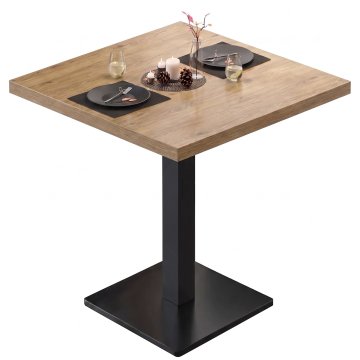
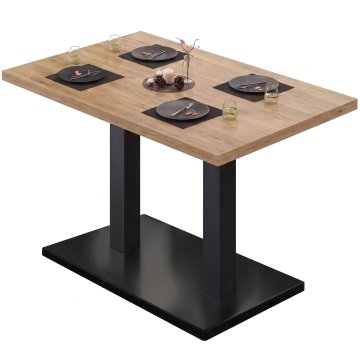
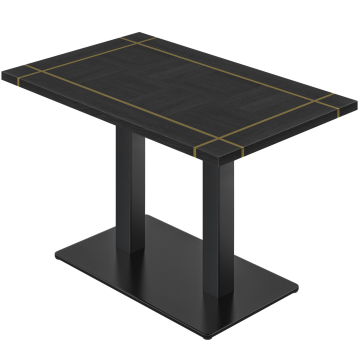


Bistro Tables / Café Tables
Bistro tables and café tables create compact seating for cafés, bistros, restaurants and similar gastronomy concepts. Different shapes, sizes and materials allow for furnishing to suit the space, use and desired atmosphere.
 Filter
 Grid view
 Product view
 In line
 Masonry View
Plan bistro tables and café tables specifically for small guest areas
Bistro tables or café tables are compact seating tables for bistro, café and restaurant areas, usually at standard table height and with round, square or rectangular tops. Their strength lies in furnishing limited spaces so that individual guests, couples and small groups have sufficient space without unnecessarily narrowing walkways.
Especially in window areas, niches or zones with rapid turnover, small table formats can be used flexibly. For single guests at the window, a small round table can be practical; two square tables for two can quickly be combined into a group of four when group sizes change. Round models with Ø 60 or 70 cm appear soft and support open sight lines, while square formats such as 60 x 60, 70 x 70 or 80 x 80 cm stand straight against walls and can be combined into larger groups if needed. It remains important to plan not only the table surface but also chair backs, legroom and the movement space for service staff.
Select shape, size and frame to suit your business
The most important decision criteria are shape and proportion, table size, base footprint, place of use and maintenance effort. For coffee, pastries or a quick lunch, a more compact surface is often sufficient; for breakfast, more extensive meals or several place settings, more surface area should be planned. Rectangular variants such as 110 x 60 or 120 x 70 cm offer more usable space, but also require correspondingly more room.
A column or central base can make it easier to get in and out, as there are fewer table legs in the seating area. At the same time, the base plate must match the size of the top to ensure the table remains stable. For individually assembled solutions from Gastro Tischplatten and Tischgestellen the mounting surface, top dimensions and fixing should be checked before assembly; not every table top is pre-drilled.
Materials and surfaces in daily café operations
Bistro tables are frequently wiped, moved and exposed to wear at the edges. HPL-coated or melamine surfaces are attractive for many indoor areas because they are easy to care for and allow for different wood or marble looks. Solid wood and real wood veneer convey a warmer, more natural effect, but require surface care appropriate to their use. For outdoor areas, robust, moisture- and weather-resistant materials such as HPL Compact or suitable metal constructions are an option.
In everyday use, it is worth considering matt or textured surfaces, edge material and frame finish. Highly reflective surfaces can appear restless under direct light, while dark wood or marble looks can support a more compact, calmer spatial effect. For café terraces, it should also be checked whether the table top and frame are expressly suitable for outdoor use; matching Terrassenmöbel can then be coordinated in terms of material and colour scheme.
Quick check for bistro tables and café tables
- Coordinate seating area: compact for coffee and snacks, larger for breakfast, lunch or several place settings.
- Determine table shape: round for softer walkways, square for proximity to walls and flexible combinations.
- Check the frame: sufficient base area, legroom and as stable as possible on the existing floor.
- Select material according to zone: indoor area, window seat or terrace require different surfaces.
- Consider cleaning: edges, joints and frame should be quickly accessible even at high frequency.
Consider spatial effect, quality of stay and occupancy together
Café tables shape how open or dense a dining area feels. A row of small round tables can create a relaxed bistro atmosphere; clearly aligned square tables, on the other hand, support a calmer grid and can be pushed together for four people. Together with matching chairs, a seating mix is created that can support short visits in the morning as well as longer stays in the afternoon.
A stable, well-maintained and harmonious interior can increase the perceived quality of an establishment. If guests feel comfortable at the table and seat, they may stay longer, are more likely to order another drink or dessert, and are more likely to return. This can result in a positive economic effect; however, the decisive factor is the interplay of offering, service, atmosphere and furnishings, not the table alone.
Bistro tables and café tables should therefore be selected according to actual use: suitable for food, guest groups, walkways and times of day. Those who consider dimensions, frame, surface and combinability together create a robust foundation for a dining area that works in everyday life and at the same time fits the gastronomic concept.



















