


 Request an offer











 Weinerpark 16 | 48607 Ochtrup | Germany









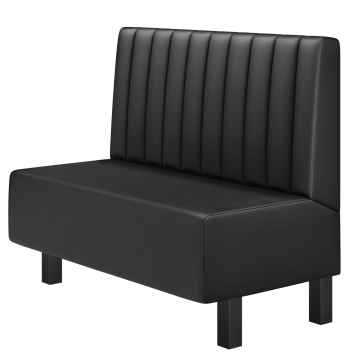
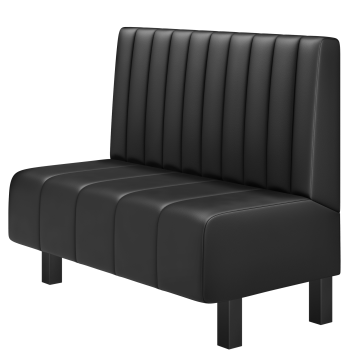
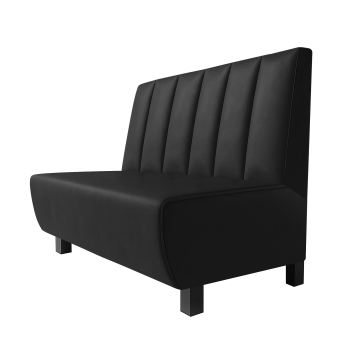
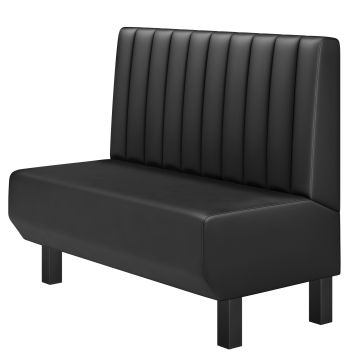
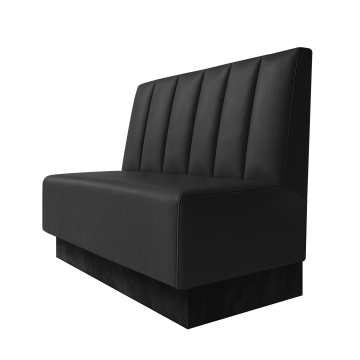
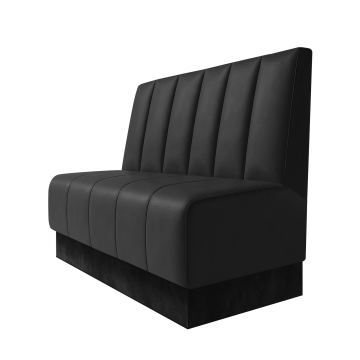
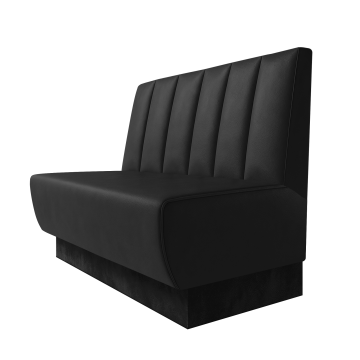
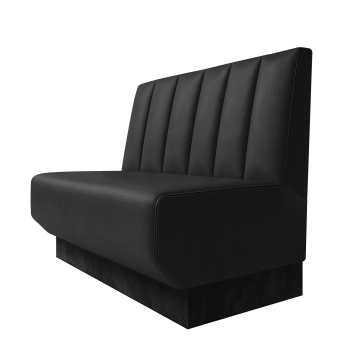


Double Stitch Restaurant Benches for Gastronomy and Restaurants
Double stitch restaurant benches combine upholstered seating comfort with a clearly structured backrest design. They are suitable for restaurants, cafés, bars and other hospitality areas where a structured design and a durable seating solution are required.
 Filter
 GGM ansicht
 Grid view
 Product view
 In line
 Masonry View
Double-Stitch Restaurant Benches as a Clear Element of the Room Concept
Double-stitch restaurant benches are upholstered benches for the hospitality sector, whose backrests are visibly structured by parallel seams. Depending on the design, narrow or wider upholstered segments are created, giving the bench an orderly, linear effect.
This design is particularly well suited to long wall areas, restaurant niches or window seating. Vertically running double-stitch lines can visually stretch high backrests, while wider spacing creates a calmer surface effect. Dark covers are often suitable for bars, lounges and evening-oriented concepts. Brown, beige or taupe tones, on the other hand, combine well with wooden surfaces and lighter guest rooms.
The double-stitch differs significantly from a smooth backrest or deep button-tufting. It appears more structured than an unsegmented upholstered bench, but remains more understated than highly decorative quilting.
Selecting the Correct Dimensions, Seam Pattern and Seat Height
With double-stitch restaurant benches, colour should not be the only deciding factor. Particularly relevant are bench width, back height, seat depth, seam spacing and coordination with the existing tables. Long bench elements create a uniform appearance, but must fit the wall length, radiators, sockets and service points.
Too great a distance between bench and table makes eating difficult. Too little distance restricts legroom and makes it harder to sit down. The seat height must also harmonise with the table height. For several bench elements, it should also be checked whether back lines and double-stitches continue evenly at the transitions.
These criteria are particularly decisive for planning:
- Width and number of bench elements
- Seat height and distance to table edge
- Course and spacing of the double-stitches
- Back height in relation to the room
- Colour and surface suitable for the intended use
Suitable [restaurant tables] should therefore be included in the planning at an early stage. This allows table positions, walkways and seating distances to be realistically coordinated.
Walkways and Sense of Space in Daily Operations
A bench along the wall can clearly zone the dining area and reduce loose rows of chairs. This is particularly helpful in niches or in heavily used edge areas. Nevertheless, planning should not be reduced to simply maximising the number of seats.
There must be sufficient space for movement between the table edge and the opposite restaurant chairs. Guests should be able to stand up without completely blocking the service route. In passages to the kitchen, in front of service stations or near the bar, wider walkways are advisable, as guests and staff meet more frequently there.
For small groups, combinable two-seater tables in front of the bench can be used flexibly. For larger parties, several tables can be pushed together, provided the table bases and tabletop shapes allow it. The bench remains a fixed room boundary and ensures a calm overall appearance.
Assessing Surface and Double Stitch for Ease of Care
In everyday gastronomy, seat surfaces and backrests are regularly touched, moved and cleaned. Suitable covers should therefore match the typical demands of the establishment. In restaurants with sauces, oil or red wine, wipeable and stain-resistant surfaces are particularly practical.
With double stitch restaurant benches, the seam recesses deserve extra attention. Dust or crumbs can collect in narrow gaps, so the back surfaces should be regularly vacuumed or cleaned with a soft brush. Cleaning chemicals must always be suitable for the respective cover material.
Plinths, lower edges and corners are also often in areas subject to knocks and cleaning. Moisture should not remain there permanently. During installation, it is important that individual bench elements are aligned securely and that the intended screw fittings are used correctly. Uneven floors should be taken into account in advance.
Quick Check for Selection
Before ordering, the following should be checked:
- Does the double stitch match the desired room effect?
- Are bench width, seat height and table distance correct?
- Are service routes and entry areas kept clear?
- Is the cover suitable for stains and frequent wiping?
- Can several elements be aligned neatly with each other?
Combining Perception and Economic Use
A stable, well-maintained and harmoniously combined bench supports the perception of quality throughout the entire dining area. Guests notice not only the design, but also clean seams, firm upholstery, sufficient legroom and a comfortable seating position.
In areas where guests stay longer, such as during evening service, upholstered backrests and protected seating can support a more relaxed use. At lunchtime, however, it remains important that guests can get in and out quickly and that service operates without detours. The right effect therefore arises from the interplay of comfort, table arrangement and operational workflow.
Additionally, benches without backrests are only sensible where a more open and short-term seating solution is needed. For a closed, upholstered seating appearance, however, double stitch restaurant benches remain the clearer choice.
Harmoniously Combining Double Stitch Restaurant Benches
For a cohesive interior concept, table tops, frames, bench colour and other seating furniture should be coordinated. Black metal frames often emphasise a modern design. Wood decors can make brown or taupe covers appear warmer.
In bar areas, the bench design can be picked up with matching bar stools without using identical shapes. The key is recurring colours, materials or frame finishes. This makes the dining area appear cohesive without becoming monotonous.
Double stitch restaurant benches are particularly suitable for establishments that want to combine a clearly structured upholstered look with the practical advantages of a fixed bench. Careful coordination of dimensions, seam pattern, material and walkways creates a solution that fits visually and operationally into the gastronomy concept.



















